
Decision cases
How the saints decided
Explore real choices and what happened next. We show what sources say and what remains unclear. We do not guess what a saint was thinking.
 Decision Case
Saint Alphonsus Liguori
Obeying a Religious Call When Parents Will Oppose It
A young man living at home feels a clear inner call from God to leave the world and enter a religious order. His parents have plenty of means and do not need his work to survive. Yet he knows that out of natural affection and worldly plans, they will fiercely oppose his leaving if they find out. He asks whether respect for parents requires him to tell them and wait for permission before entering the novitiate, the training year for new members. Or should he keep his plan secret and obey God's call promptly? Delaying or facing family tears and pressure risks snuffing out the delicate grace of vocation and endangering eternal salvation.
Decision CaseSaint Alphonsus Liguori
Guiding a Young Student Torn Between the World and the Cloister
A young graduate comes to you deeply unsure about what path in life to choose. His talents and family ties open doors to government posts or wealthy Church benefices—offices carrying guaranteed income—though he fears surrounding moral dangers. At the same time, he feels drawn to the safety of a religious house. Yet he worries his health may fail under the rule, or thinks he can do good staying at home. Choosing from worldly ambition risks eternal ruin, whereas choosing God's will brings the graces needed for salvation. What practical method will you give this undecided student to choose rightly?
Decision CaseSaint Alphonsus Liguori
Judging a Candidate's Fitness for the Priesthood
A young seminary student asks your approval to be ordained a priest. He studies well enough, and his parents are pushing him hard to be ordained. They want to keep a family-linked Church income post from going to outsiders. Examining his conscience, however, you find he is entering mainly to please his parents and keep up family status. Worse, he has not yet won steady, long-tested victory over repeated sins against purity, hoping ordination itself will cure him later. Ordaining an uncalled, untested man endangers both him and his flock, while refusing him angers his family. How will you judge his fitness for the priesthood?
 Decision Case
Saint Anselm of Canterbury
The King's Request at Windsor
Since Lanfranc died a year after William the Conqueror, King William Rufus has left Canterbury empty for over three years. During that gap, the king seized Canterbury's income, gave church lands to his knights, and let disorder spread. Falling dangerously ill at Gloucester in March 1093, the frightened king named you Archbishop of Canterbury. Courtiers forced the bishop's staff into your hand against your protests. Formal release from Bec still required consent from Normandy's duke, Rouen's archbishop, and Bec's monks. Once recovered, however, the king broke his promises of reform. Before consecration, you set three firm conditions. You required all Lanfranc's Canterbury lands back, a voice as royal spiritual adviser, and loyalty to Pope Urban II against Antipope Clement. Now letters from Normandy have freed you from Bec, and William Rufus summons you to Windsor. He asks as a personal favor that his knights keep the Canterbury church lands granted after Lanfranc's death.
Decision CaseSaint Anselm of Canterbury
The Assembly at Rockingham
Since your consecration in December 1093, King William Rufus has clashed with you again and again. He scorned a money gift as too small and angrily refused your February 1094 plea for a council against moral abuses. After his return from Normandy, you asked leave to visit Rome for your pallium. The pallium is the white wool band with four crosses given by the Pope to new archbishops. William Rufus refused, claiming no one in England could recognize Pope Urban II—contested by Antipope Clement—without royal leave. Yet before consecration in 1093, you had already stated your prior recognition of Urban II as Abbot of Bec. You had warned the king that you could never drop that obedience. At your request, England's great council meets at Rockingham in Derbyshire on 11 March 1095. You ask how to keep obedience to Rome without breaking faith with the king. Afraid of the king's anger, the English bishops press you with threats to drop Urban II and submit to the king.
Decision CaseSaint Anselm of Canterbury
The Runaway Monk of Canterbury
As Abbot of Bec, you share close friendship with Prior Henry, Gondulph, Archbishop Lanfranc, and the monks of Canterbury. Earlier you advised Prior Henry not to crush stumbling young monks with harshness, but to win their trust with kindness first. Now Brother Moses, a Canterbury monk misled into running away in youthful folly, arrives weeping at Bec with a servant. Like the prodigal son, Moses longs to return to Canterbury, even as a hired worker, yet two fears terrify him. First, though ready for bodily punishment himself, he dreads seeing Canterbury severely punish the servant whom he misled. Second, he carelessly spent borrowed money; owning nothing as a monk, he needs Canterbury's help and leave to repay it. Moses begs you to plead with Prior Henry and get a written answer before he starts back.
Decision CaseSaint Anselm of Canterbury
The Secret Message From Rome
Called home from three years of exile after William Rufus died, you published Pope Urban II's Roman decree in England. No layman may grant bishoprics or abbeys (lay investiture), no churchman may swear homage for them, and violators face excommunication. When King Henry of England refused to give up royal investitures, both sides agreed to consult Pope Paschal II. Now you hold a written letter from Paschal II upholding the ban, yet Henry refuses to read yours or show his. Instead, the king's envoys—the Archbishop of York and two bishops—claim the Pope gave them a secret spoken message. They claim Paschal orally allowed Henry to grant investitures without excommunication so long as he rules well otherwise. They add that the Pope kept it unwritten only lest other princes complain, and ordered you to follow their counsel. Meanwhile, the king threatens immediate investitures and exile if you enforce the written ban.
Decision CaseSaint Anselm of Canterbury
The Priests Who Chose Their Wives Over the Altar
With King Henry's agreement, you and England's bishops held the Council of London, strictly forbidding priests to marry or keep wives. Now Bishop Herbert of Thioford urgently reports a wide revolt across his diocese. Refusing to part from their wives, many married parish priests are giving up all priestly duties in protest. They refuse to say Mass, consecrate the Lord's Body, hear confessions, or bury the dead. Because chaste parish priests are scarce, the rebels expect fear of leaving laypeople without sacraments will force bishops to yield. Few chaste parish priests live locally, though monasteries in the region have professed monks, including elderly ones. Meanwhile, the rebel priests still hold church buildings and lands with their women and may attack chaste replacements.
 Decision Case
Saint Augustine of Hippo
The Catechumen's Sudden Recovery
From your son’s birth you trusted God and enrolled the boy as a catechumen, a student preparing for Christian baptism. You marked him with Christ’s Cross and blessed salt. Everyone in your home now believes in Christ except your husband. You obey your husband faithfully in daily life, yet you raise your son to know God as his true Father. One day the schoolboy suffers severe stomach pain and a sudden, raging fever. Close to death, he begs with eager faith for Christ’s baptism to wash away his sins. Alarmed for his eternal safety, you hurry to arrange the saving sacrament. Suddenly the boy rallies and recovers from danger. Now you must choose whether to finish the baptism or wait. You foresee fierce temptations ahead when boyhood ends, and many neighbors think sins committed after baptism carry far heavier guilt.
Decision CaseSaint Augustine of Hippo
Midnight by the Vineyard Wall
Your schooling has paused for a full year at Thagaste after your return from nearby Madaura. Your father, a town citizen of modest means and high hopes, is saving money to send you to Carthage. With no classes and loose discipline at home, you spend idle days and nights with rowdy young companions. Among them, the loudest braggarts win the highest praise. Ashamed of seeming less daring or more chaste than your peers, you have even invented sins you never committed. Tonight your gang has roamed the town squares until midnight. Next to your family’s vineyard stands a neighbor’s pear tree heavy with dull, unappealing fruit. You are not hungry, and far better pears sit at home. Suddenly your friends urge everyone to climb over, strip the tree, and haul away pears just to laugh at the tricked owner.
Decision CaseSaint Augustine of Hippo
A Mother's Plea for a Debate
A devout Christian widow named Monnica comes to you weeping over her young son Augustine, a rhetoric student at Carthage. He has joined the Manichean sect, and she mourns for him as though he were spiritually dead. She begs you to meet him face to face, refute his errors, and win him back to Catholic faith. You gladly instruct seekers whenever they are ready to listen. Yet Monnica’s own report makes clear that Augustine is proud of his new heresy, a false teaching rejected by the Church. He enjoys tangling up simple Christians with clever trick questions. As a boy, your own misguided mother placed you among the Manichees, and you copied out nearly all their books. Without any outside debate, reading their own pages exposed their falsehood and drove you out. Even so, Monnica keeps begging through tears.
Decision CaseSaint Augustine of Hippo
The Augur's Offer Before the Contest
Between ages nineteen and twenty-eight, you earn your living teaching rhetoric, the craft of winning arguments with polished speech. At the same time you chase applause in the theater, prize poems, and victory crowns. Secretly you belong to the Manichean sect, imagining God as a shining physical body and fearing even to pluck plants or kill animals. Now you enter a public theater poetry contest where victory before the magistrates would boost your fame. Before the contest begins, a pagan fortune-teller, called an augur, sends word to you. He asks what fee you will pay him to guarantee first prize. To win help from his spirits, the fortune-teller plans to slaughter living animals and offer their blood to demons on your behalf.
Decision CaseSaint Augustine of Hippo
The Doubtful Rhetorician Between Three Schools at Milan
After nine years among the Manichees at Thagaste, Carthage, and Rome, you arrive in Milan as city professor of rhetoric under Prefect Symmachus. Back at Carthage, the famous Manichean bishop Faustus could not explain why astronomers predict eclipses accurately while Mani’s books tell false star fables. Discouraged in Rome, you nearly agreed with the Academic skeptics, philosophers who claimed nobody can reach sure truth. In Milan, Bishop Ambrose welcomes you kindly, and you attend his sermons to judge his speaking style. Listening closely, you hear him unlock hard Old Testament passages spiritually and answer Manichean mockery with strong arguments. You still cannot picture a spirit without physical bulk, yet secular philosophers clearly beat Mani on nature while lacking Christ’s saving Name.
Decision CaseSaint Augustine of Hippo
The Assessor and the Senator's Unlawful Decree at Rome
You are a young lawyer from Thagaste serving in Rome as legal adviser to the Count of the Italian Treasury. Your strict honesty already surprises fellow officials, because you find it strange when anyone prefers gold over fairness. Now a mighty Roman senator steps before the court. Many citizens owe him favors, and many more fear his vast wealth and power to help or ruin people. Used to getting his way, the senator demands a court decree that the law forbids. The presiding judge dislikes the illegal demand, yet fears refusing the senator to his face. Instead, the judge blames you, claiming his legal adviser refuses to let the decree pass. The senator first offers you a bribe and then threatens you.
Decision CaseSaint Augustine of Hippo
The Rhetorician and the Two Identical Horoscopes
For years you have read astrology books and checked birth charts. Your wise friends Vindicianus and Nebridius warned you that star-readers guess right only by chance. You lean toward Nebridius’s view, yet still want one clear proof that astrology is false. Now your friend Firminus asks what his birth chart predicts for a business venture, and shares a story from his father. His father and a close friend were so obsessed with astrology that they timed the births of farm animals. When Firminus’s mother and that friend’s enslaved woman went into labor together, messengers waited at both homes. The two runners met at the exact midpoint, proving both babies shared the exact same star chart. Yet Firminus grew up free, noble, and rich, while the other boy remained enslaved for life.
Decision CaseSaint Augustine of Hippo
The Roman Rhetorician at the Baptismal Platform
You are Victorinus, an elderly and famous professor of rhetoric in Rome. You taught noble senators, translated Platonist books into Latin, and earned a statue in the Roman Forum. For decades you defended Rome’s pagan gods. After studying Scripture, you privately confided to your Christian friend Simplicianus that you now believed. Fearing your pagan friends’ anger, you joked about whether church walls make a person Christian. Deeper reading soon made you fear that Christ would deny before the angels anyone ashamed to confess Him publicly. You entered church instruction and gave your name for baptism. In Rome, candidates recite their faith aloud from a high platform before everyone, though priests offer timid candidates a private option.
Decision CaseSaint Augustine of Hippo
Leaving the Chair of Rhetoric Before the Vintage Holidays
Won over to Christ and freed from worldly ambition, you resolve to pull your tongue out of the marketplace of speech. You no longer want students set on courtroom battles to buy verbal weapons from your classes. Scarcely twenty days remain before the autumn Vintage Vacation, the annual school break for the grape harvest. That same summer, heavy study has strained your lungs, making long speeches painful. How will you leave your public professorship at Milan?
Decision CaseSaint Augustine of Hippo
The 'Man Is a Noun' Trap
After studying how words point to other words, your father Augustine warns against tricks that confuse a sign with reality. One old joke claims a fierce lion jumps out of your mouth whenever you speak the word 'lion'. Suddenly Augustine tests you. First you agree that we are human beings ('men', homines), and then he asks what part of speech 'man' (homo) is. Answering solely from grammar that 'man' is a noun lets him conclude that you are a noun. Yet denying it breaks the grammar rules you just proved.
Decision CaseSaint Augustine of Hippo
The 'Filth' Counterexample to the Rule of Signs
You have just proposed a general rule: anything made to serve another thing ranks lower than what it serves. Realities therefore outrank their signs. Your son Adeodatus tests that rule right away with the Latin word caenum, meaning 'filth' or vile mud. The spoken word is an intelligent human sound, whereas the thing meant is foul rot. Calling physical mud nobler than human speech sounds absurd. Yet ranking signs above knowing real things overturns the truth that language serves knowledge.
Decision CaseSaint Augustine of Hippo
The Claim That Wild Beasts Surpass Humans in 'Virtus'
During a conversation, someone remarks that certain wild beasts surpass human beings in virtus. That Latin word can mean either bodily strength or moral virtue. Listeners around you flare up in anger at what sounds like an attack on human moral worth. Yet experience shows that honest speakers often use the same word for two different things. Attacking the speaker in anger turns a word mix-up into a bitter quarrel. Granting beasts higher moral virtue, however, surrenders a vital truth.
Decision CaseSaint Augustine of Hippo
Answering the Platonists on Mediators and Sacrifice
In Books I–VII you refuted popular and state worship of many gods through Varro and Seneca. Now you face Christianity’s sharpest philosophical rivals: the Platonists (Plato, Plotinus, Porphyry, and Apuleius). Unlike materialists, they already recognize one supreme, non-physical God who creates all things and lights up the mind. Yet Plato held that no god mixes directly with humans. On that basis, Apuleius urges sacrifices to spirits in the air, while Porphyry wavers over magic while seeking a universal path for the soul. Condemning Platonists completely drives away sincere truth-seekers, whereas allowing sacrifices to lesser spirits betrays worship owed to God alone.
Decision CaseSaint Augustine of Hippo
The Origin of Evil and the Goodness of the Body
Starting Part II of The City of God on the two cities, you meet two rival claims about evil and bodily pain. Manichaeans claim an evil dark nature actively causes sin and physical matter. Platonists and followers of Origen claim God first made pure spirits alone. In Origen’s view, God later built physical bodies as prisons for souls that sinned in an earlier life. Giving the first evil choice an active maker blames God or invents an evil substance. Treating bodies as prisons slanders creation and bodily resurrection.
Decision CaseSaint Augustine of Hippo
The Conscientious Judge and the Darkness of Earthly Courts
You must preside as judge over a death-penalty trial where the accused person may well be innocent. Because no judge can see inside another person’s conscience, Roman court law questions witnesses and defendants under torture to uncover facts. In mortal life’s painful darkness, an innocent prisoner sometimes confesses falsely just to stop the rack and is executed before the truth comes out. Deserting the judge’s bench abandons society’s peace. Yet Stoic bragging that earthly justice brings calm happiness ignores the tragedy of condemning the innocent unknowingly.
Decision CaseSaint Augustine of Hippo
Preserving the Witness of Contemporary Miracles at Hippo
Skeptics across North Africa ask why miracles no longer happen as they did in New Testament times. In truth, striking healings are occurring right in your diocese and nearby cities. These include Innocentia’s cure from breast cancer at Carthage—kept quiet until your rebuke—and cures at Saint Stephen’s Shrine in Hippo. Unlike Scripture, which churches read aloud year after year, recent local cures are quickly forgotten even by neighbors. Silent believers let God’s works fade from memory, while sloppy rumors ruin Christian credibility.
 Decision Case
Saint Bede the Venerable
Adapting Liturgical Customs and Consecrating Temples in the English Mission
As the Anglo-Saxons of Kent begin entering the Church, Augustine asks why Gallican and Roman Mass customs differ, while missionaries wonder whether they must demolish every existing pagan temple building. What pastoral policy do you establish for the young English Church regarding liturgical rites and former temple buildings? Leading a newly converting nation step by step to true worship of God without confusing universal faith with local custom or needlessly alienating the people.
 Decision Case
Saint Bernard of Clairvaux
The Papal Chancellor's Question
You are Bernard, Abbot of Clairvaux, answering Lord Haimeric, Cardinal Deacon and Chancellor of the Roman See. Until now, Haimeric wrote from Rome only to ask for monastic prayers, never to pose theological questions. Now he turns from busy administrative work to ask a great spiritual question: why and how much God should be loved. You rejoice to see a high Roman official seeking spiritual counsel, yet his request puts you in a delicate spot. Your Cistercian vows bind you to humble prayer and penance rather than public scholarly debate. You consider yourself weak even at prayer, and you lack the scholarly training needed for hard theological problems. Yet both learned men and simple men offer the same excuse of inability when asked to write. Complete silence might make you look like a proud philosopher hiding behind grave reserve. Yet becoming Haimeric's ongoing advisor for future theological puzzles would overstep your monastic calling.
Decision CaseSaint Bernard of Clairvaux
Writing the 'Missus Est' Homilies from the Infirmary
Illness temporarily keeps you in the monastery infirmary, away from field work and daily preaching to your fellow monks. In this rare quiet, you long to write sermons praising the Virgin Mother. They would meditate on Saint Luke's story of the Annunciation ('Missus est angelus Gabriel'). Yet Cistercian custom frowns on private literary display undertaken without a request from the community. Staying idle wastes a rare season for prayer, while writing like a boastful scholar could trouble your brothers. How will you use your infirmary rest and present these sermons?
Decision CaseSaint Bernard of Clairvaux
Preparing the Monks of Clairvaux for the Christmas Night Vigil
In the meeting hall at Clairvaux, the reader chants the Christmas Eve proclamation. It rings out: 'Jesus Christ, the Son of God, is born in Bethlehem of Juda'. Yet you know how worn out your monks are after weeks of winter cold, field labor, and Advent fasts. On ordinary nights some lie awake with restless thoughts, yet during the long Christmas Night Vigil several nod off in choir. Others approach the feast nursing quiet resentment against a brother or forgetting past mercies from God. Dry theory leaves tired monks asleep or unforgiving, while harsh scolding kills Christmas joy. How will you prepare your monks for the Christmas Night Vigil?
Decision CaseSaint Bernard of Clairvaux
The Three Ointments of the Soul on Christmas Day
On Christmas Day, you want to offer the Newborn Savior a worthy spiritual ointment. You know how to crush bitter memories of past sins in your conscience to make the sharp ointment of sorrow. You also know how to recall God's gifts to prepare the gentle ointment of thankful devotion. Yet outside the monastery gate and among your brothers are poor, worried, and struggling people who need active mercy. Ignoring the suffering denies the very mercy Christ brought into the stable. Which spiritual ointment will you offer Christ as highest of all?
Decision CaseSaint Bernard of Clairvaux
The Lost Star at Jerusalem and the Spirit of Herod
In your monastery, several young brothers are taking their first steps with fresh, eager love for God. At the same time, cynical voices grumble against these beginnings and urge you to crush them early. Others press you to bend your spiritual mission to the political schemes of powerful patrons. When the Magi turned aside to ask directions at King Herod's court in Jerusalem, they immediately lost sight of the star. Crushing young religious zeal imitates Herod, while trusting worldly courts leaves the soul in darkness. How will you treat worldly politics and young beginnings of devotion?
 Decision Case
Saint Bonaventure
Before the Bishop's Tribunal in Assisi
Praying before the Crucifix in the crumbling church of St. Damian outside Assisi, you heard a voice speak three times. It commanded, 'Francis, go and repair My House, which, as thou seest, is falling utterly into ruin'. Thinking this meant the stone building, you rode to Foligno and sold cloth and your horse. You offered the coins to St. Damian's poor priest, who refused them out of fear of your parents. You tossed the coins onto a window ledge like dust. Your furious father dragged you home through Assisi's mocking streets, beat you, and chained you. Your mother freed you while he was away, and your father later recovered the money from the window ledge. Now he brings you before the Bishop of Assisi's public court to make you legally give up your inheritance. Fighting in court tangles you in worldly property, while giving up everything leaves you penniless. How will you answer before the Bishop?
Decision CaseSaint Bonaventure
The Starving Friar in the Night
Imitating your strict life, your friars have taken up harsh fasting. Late one night while the house sleeps, a friar who fasted beyond his strength cries out that he is dying of hunger. Left without food, he faces real harm, yet eating alone while everyone else fasts will crush him with shame. Scolding him breaks his spirit, while dropping fasting rules without explanation breeds carelessness. How will you answer the starving brother's cry?
Decision CaseSaint Bonaventure
Solitary Contemplation or Apostolic Preaching?
Having tasted quiet prayer in mountain retreats, you face a deep question about your calling. Silent prayer unites the soul directly with God, whereas preaching exposes an unschooled man to worldly dust and distraction. Yet God's own Son came down from the Father to save sinners, showing that Christians must not live for themselves alone. Hiding in a hermit's cell leaves towns without Gospel preaching, while rushing out by self-will risks losing prayerful union. How will you decide between solitary prayer and public preaching?
Decision CaseSaint Bonaventure
The Simple Brother's Plea for Milder Suffering
For two years after leaving Mount La Verna, constant sicknesses have worn your body down to skin and bone. Hardly a single limb is free from sharp pain. Watching a fierce wave of agony strike you, a simple-hearted friar speaks out of pity. 'Brother, pray the Lord that He deal more gently with thee', he pleads. 'For meseemeth that His hand is laid more heavily on thee than is right'. Accepting his words allows complaint against God's just will, while harshly driving him away bruises his simple heart. How will you answer him?
Decision CaseSaint Bonaventure
The Roman Preacher's Secret Doubt of the Stigmata
You are a respected Franciscan scholar and preacher in Rome. You know the sworn witnesses and papal bulls, or official letters from popes, confirming Saint Francis's Stigmata. The Stigmata were the wounds of Christ impressed on Francis's hands, feet, and side. Still, you secretly nurse a proud, rationalist doubt in your heart, measuring the miracle by purely natural reason. At night Francis appears in a vision with muddy feet and humble sternness. Asking why your secret unbelief stains his glory with mud, he bids you look at his pierced hands and open side. Hiding your doubt protects your scholarly fame in Rome, while open confession humbles your pride before the people. What will you do upon waking?
Decision CaseSaint Bonaventure
Preparing for a Holy Death Every Day at the Foot of the Cross
Many believers recite spoken prayers out of habit. Meanwhile, they put off serious repentance, forgiving enemies, and preparing for death until their last illness. How can you shape a weekly devotion to the Blessed Virgin so daily prayer prepares the soul to live holily and die in peace?
 Decision Case
Saint Gertrude the Great
Approaching the Altar Under a Sense of Unworthiness
As the community prepares to receive Holy Communion, you feel keenly aware of your daily negligences and lack of fervent preparation. Some devout sisters around you believe that highest reverence consists in abstaining from the Blessed Sacrament whenever a soul feels imperfect or insufficiently prepared, fearing God's majesty and justice. Yet you also know the boundless mercy of the Heart of Jesus and desire union with Him, and other sisters ask your counsel on whether staying away out of fear or approaching in humble trust honors the Lord more. How will you act and counsel sisters who feel unworthy and insufficiently prepared—though free from mortal sin—when called to Holy Communion? Abstaining out of slavish fear risks depriving the soul of sacramental grace and dishonoring Christ's mercy; approaching presumptuously without humility would lack reverence.
Decision CaseSaint Gertrude the Great
Turning Literary Genius from Worldly Vanity to the Word of God
Gifted with brilliant Latin scholarship at the Abbey of Helfta, you realize that your eagerness for secular literature and intellectual prestige has left you lukewarm in prayer and separated from Jesus by a thorn hedge of faults. What do you do with your gift for study and writing after Jesus lifts you across the thorn hedge and shows you His pierced hand? Transforming natural intellectual talent from an obstacle of pride into an apostolic instrument for the salvation and consolation of souls.
 Decision Case
Pope Saint Gregory I the Great
Forgiving Murderous Monks and Returning to Solitude
After warning a neighboring community that his strict rule and their lax habits would not agree, you yielded to their pleas to serve as abbot; now they have tried to murder you with poisoned wine, which shattered when you blessed it with the sign of the Cross. How do you respond to the monks' attempt on your life and their unanimous refusal of reform? Preserving charity without anger while refusing to waste pastoral labor on an incurably rebellious community that plots murder.
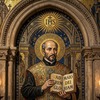 Decision Case
Saint Ignatius of Loyola
Choosing a Path of Penance and Parting from Loyola
After the siege of Pamplona and painful leg surgeries, you spent months in bed at Loyola. Reading the Life of Christ and the Lives of the Saints changed your desires. A night vision of the Mother of God with the Child Jesus also turned your heart from courtly fame. You decided to walk as a pilgrim to Jerusalem and practice penance like St. Francis and St. Dominic. You sent a servant to Burgos to learn the Rule of the Carthusian Charterhouse at Seville, where monks eat only herbs. The report pleases you, yet you fear entering an enclosed monastery, or cloister, right after Jerusalem. A fixed cloister might limit the harsher fasts and pilgrim travels you want to undertake. Now you can walk again, and your older brother Martin Garcia suspects a radical change of life. Leading you from room to room, he begs you not to ruin your career or your family's hopes. Giving in would bring back worldly vanity, while rash words might make your family block your departure. How will you handle the Carthusian plan and part truthfully from your brother?
Decision CaseSaint Ignatius of Loyola
Breaking the Grip of Scrupulosity at Manresa
At Montserrat you made a careful, written general confession of your whole life over three days. Even so, for months at Manresa, obsessive doubts have haunted you that you left out some past sin. Near despair, you felt tempted to throw yourself through a large hole in your room. You stopped only after crying out that you would never offend God. Hoping for peace, you fasted from all food and drink for seven straight days, from Sunday to Sunday. On Sunday your confessor, the priest hearing your confession, ordered you to eat because your life was in danger. You obeyed him, yet on Tuesday the old anxious doubts returned during prayer, pushing you to dig up your past again. Searching old sins or fasting again risks collapse, while stopping requires deep trust in God's mercy. How will you respond to these returning doubts?
Decision CaseSaint Ignatius of Loyola
Heavenly Lights During Latin Grammar Class
After the Franciscan Provincial, the regional superior, forbade you to stay in Jerusalem, you returned to Barcelona. You realized you needed to learn Latin and theology in order to help people spiritually. Master Jerome Ardevol teaches you grammar for free, while Inez Pascual supports you with alms, or charitable gifts. Yet each time you sit down to memorize basic Latin word endings, bright spiritual thoughts flood your mind. They feel so sweet and vivid that you cannot focus or remember a single word of the lesson. Giving in during study hours will ruin your Latin studies, yet rejecting true gifts from God seems ungrateful. How will you treat these sweet spiritual thoughts during Latin class?
Decision CaseSaint Ignatius of Loyola
The Bell Rings for 'The Hall' at Sainte-Barbe
At Sainte-Barbe College in Paris, your philosophy professor, Master Juan Peña, complained to the Principal, Dr. James Gouvea. Peña claimed your Sunday spiritual talks and confessions were distracting students from their logic lessons. Believing hostile rumors, Dr. Gouvea ordered a shameful public beating known as 'the hall'. In this punishment, all the professors beat a student with rods before the college as a corrupter of youth. The college bell is already ringing, and the rods are laid out. Personally, you gladly welcome blows and insults out of love for Christ. Yet if young students whom you recently led to confession see you branded a corrupter, their new faith may break. Keeping silent harms young converts, while angry protest breaks humility and obedience. How will you act as the bell rings?
Decision CaseSaint Ignatius of Loyola
Refusing a Quiet Dismissal in Rome
In Rome, a Spaniard named Mudarra and two followers of a secret Lutheran preacher bring false charges before the Governor's court. They claim you and your companions are fugitives whose likenesses were burned in Spain, Paris, and Venice. By God's providence, the very judges and witnesses from those cities happen to be in Rome right then. Dr. Ortiz, the Figueroa family, and Venetian nobles all testify completely in your favor. With your accusers defeated, the Papal Legate, the Governor of Rome, and even your friends want to drop the case quietly. Demanding a verdict will annoy powerful officials. Yet dropping the case without one leaves whispers of heresy, or false teaching rejected by the Church, over your preaching. Will you accept a quiet dismissal or ask Pope Paul III for an official verdict?
Decision CaseSaint Ignatius of Loyola
Answering a Nun Torn Between Slavish Fear and Dread of Pride
In June 1536, you are studying theology in Venice while waiting for your companions from Paris. Sister Teresa Rejadella, a Benedictine nun at the reforming convent of Santa Clara in Barcelona, sends you a letter. She shares two opposite inner struggles. Sometimes she feels cut off from God, crushed by past sins, and unworthy to speak or receive Communion. At other times, God fills her with inner tears and spiritual joy, yet sudden fear whispers that these gifts are proud illusions. Meanwhile, harsh fasting and lost sleep are weakening her body. Giving in to false humility brings paralyzing sadness, while fearing God's comfort or ruining her health stops her progress. How will you guide Sister Teresa on both inner struggles and bodily penance?
Decision CaseSaint Ignatius of Loyola
Responding to Heresy Accusations in Rome
In 1538 you preach and give the Spiritual Exercises in Rome while your companions serve in Bologna, Ferrara, Padua, and Siena. A fierce campaign of slander suddenly breaks out against you in Rome. Critics claim you and your companions are secret heretics who fled punishment in Spain, Paris, and Venice. Powerful supporters pull back, and people grow afraid to attend your sermons. Providentially, several judges and church leaders who examined and cleared you in Spain, Paris, and Venice are now in Rome. Lingering suspicion of heresy, or false teaching rejected by the Church, will cripple your work across Italy. How will you answer these public charges?
Decision CaseSaint Ignatius of Loyola
Instructing Papal Nuncios Sent to Embattled Ireland
In September 1541, Pope Paul III sends two of your companions, Fathers Paschase Broët and Alfonso Salmerón, through Scotland into Ireland. They travel as papal nuncios, or ambassadors of the pope. Their mission is to encourage Irish chiefs, bishops, and Catholics pressured by King Henry VIII's break with Rome. They carry papal powers to grant dispensations, which are official exemptions from Church rules, and absolutions from penalties. In normal diplomatic practice, offices often collect fees or offerings for such papers. Under constant danger of capture, the priests must also deal with lords of very different tempers—some fiery, others suspicious. Greed will ruin the mission, and careless words will alienate local leaders. What rules will you give Broët and Salmerón on conversation and money?
Decision CaseSaint Ignatius of Loyola
Governing Zealous Scholastics at the College of Coimbra
In May 1547, news reaches you in Rome from the thriving Jesuit College of Coimbra in Portugal. The young Jesuit students, called scholastics, burn with intense zeal for bodily penance. They keep harsh fasts, long night watches, and public humiliations. Their devotion inspires the city, yet several students are wearing out their bodies. They can barely keep up with university lectures and risk lasting illness before becoming priests for the missions. Crushing their zeal might make them lukewarm, while unchecked penances feed stubbornness and ruin their health. How will you guide the Coimbra students on penance, study, and obedience?
Decision CaseSaint Ignatius of Loyola
Guiding Souls According to Capacity Without Forcing Their Vocation
Two people come to you for spiritual guidance. The first can make the full Spiritual Exercises and is weighing whether to leave his wealth for religious life. You view religious poverty as the higher path and feel tempted to push him toward it during his retreat. The second is an uneducated worker with little free time who sincerely wants to change his life. Some advisers urge you to give this worker all four weeks of deep meditations and life-choice exercises at once. How will you guide both people so God works freely with the first and the second is not overwhelmed?
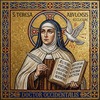 Decision Case
Teresa of Ávila
Guiding Sisters Who Cannot Reason Step by Step in Prayer
In your reformed Carmelite convent, several sisters long to give themselves wholly to God. Yet their minds cannot work step by step through long chains of reasoning. Whenever they force their heads to think hard, they grow tired and distracted. Meanwhile, the convent rule requires daily vocal prayers such as the Our Father and Hail Mary. Some teachers demand complex reasoning first, while others treat vocal prayer as mere lip-movement. Following Saint Augustine and your own life, you know God dwells inside the soul like a King in His palace. How will you help these sisters unite vocal and silent prayer without tiring their heads?
Decision CaseTeresa of Ávila
Measuring Union with God by Sisterly Love Rather Than Ecstasies
In your convent, two groups of sisters ask for your judgment on the Prayer of Union. One group weeps because their minds stay active during prayer. Having never felt the mystical suspension described in the Fifth Mansions, they fear union with God is closed to them. Meanwhile, another sister enjoys deep quiet in choir yet resents leaving prayer to nurse the sick. She also sharply criticizes a companion’s small fault. How will you show the community how to recognize and reach true union with God?
Decision CaseTeresa of Ávila
Unmasking the False Humility That Quits Silent Prayer
A distressed sister in your monastery comes to ask your counsel. Because she still falls into idle talk and distractions, she feels like a hypocrite during silent prayer. Silent mental prayer is quiet, friendly conversation with Christ. Calling her plan 'humility', she wants to quit silent prayer until she makes herself virtuous alone. Using Saint Teresa’s experience in Chapters VII and VIII, how will you keep her friendship with God open?
Decision CaseTeresa of Ávila
Keeping the Sacred Humanity of Christ in Deep Contemplation
Several nuns have read spiritual books addressed to souls in deep, quiet contemplation. Those authors urge advanced souls to push away all bodily thoughts, including Jesus Christ’s Passion and human life. In their view, thinking of Christ’s humanity holds the spirit back from pure, formless Godhead. How will you guide nuns and directors on the place of Christ’s Sacred Humanity in advanced prayer?
Decision CaseTeresa of Ávila
Obeying the Church's Minister When Tested Over Visions
Christ has appeared to you in clear inward visions that leave your soul peaceful, humble, and charitable. Yet when you open your soul to your confessor and his advisers, recent false mystics in Spain alarm them. Judging your visions a trap of the devil, they command you to cross yourself whenever Christ appears. Worse still, they order you to make a gesture of scorn ('making the fig'). How will you act when the Lord appears again?
Decision CaseTeresa of Ávila
Standing Firm for Complete Poverty at Saint Joseph's in Ávila
You learn that Mount Carmel’s original Primitive Rule forbids convents from owning fixed yearly income. In prayer, Christ assures you that Saint Joseph’s will never lack daily bread if founded in complete poverty. Nearly all cautious scholars warn that housing thirteen enclosed women without guaranteed income is reckless folly. After the convent opens on 24 August 1562, the city council threatens to break down the doors. They demand that you either disband or accept fixed income. How will you proceed?
Decision CaseTeresa of Ávila
Anchoring the Soul in 'God Alone Suffices' During Storms
Several sisters in your newly founded convent are frightened because wealthy supporters have pulled back their aid. Meanwhile, powerful opponents threaten to shut the house down. Worry is disturbing community peace and prayer. Guided by Teresa’s Bookmark prayer and her Poems of the Cross, how will you restore courage?
Decision CaseTeresa of Ávila
Guiding the Threatened Reform Under Confinement in Toledo
In May 1576, the Carmelite General Chapter orders you to stay inside one enclosed convent, halting your travels. Meanwhile, your nuns in Seville suffer in a stifling house and face false charges before the Inquisition. Worse still, hostile Calced opponents may intercept your letters to Father Jerome Gracián. From your cell in Toledo, how will you protect the Seville nuns and guide the Discalced ('barefoot') reform?
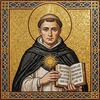 Decision Case
Thomas Aquinas
Praying the Fifth Petition After Suffering an Injury
A Christian wronged by a neighbor asks your counsel about the Fifth Petition of the Lord’s Prayer. That line asks God to forgive our trespasses as we forgive those who trespass against us. The offender has not asked pardon yet, and the hurt man has not gone out first. Some tell him to skip or change those words when praying the Our Father lest he condemn himself. Others claim he cannot be saved unless he seeks out the offender right away before being asked. Dropping Christ’s words or keeping hatred forfeits mercy, yet turning saintly perfection into a universal law burdens consciences.
Decision CaseThomas Aquinas
Standing as Children of Light Among the Works of Darkness
Newly baptized Christians in Ephesus live among neighbors who worship at the pagan temple of Diana. Those neighbors treat sexual sin, coarse jokes, drunkenness, and greedy cheating as harmless fun. Some converts ask whether they may join those banquets in silence just to keep social peace. Others hear excuses claiming such passions are natural and will not shut believers out of God’s kingdom. How will you guide these converts to guard baptismal holiness without making peace with sin?
Decision CaseThomas Aquinas
Guarding Worthy Reception and Practicing Spiritual Communion
On a great feast day, two believers bring urgent questions of conscience to you. First, a man in mortal sin—a grave sin breaking friendship with God—still nurses hatred toward his neighbor. Fearing embarrassment in front of onlookers, he wants to receive Holy Communion without confessing or reconciling first. Second, a sick and repentant woman loves Christ deeply yet grieves that illness keeps her from church and the Sacred Host. Using the three ways of eating the Bread of Life, how will you guide both souls?
Decision CaseThomas Aquinas
Turning Mourning from Worldly Display to True Help for the Dead
A wealthy citizen dies in God’s friendship, yet still owes cleansing in Purgatory for past sins. His heirs plan to spend nearly the whole estate on a grand parade, rich hangings, and a tall monument. Hoping to show off family rank, they think a lavish burial comforts the dead soul directly. As a result, they leave almost nothing for Masses, prayers, and alms for the poor. How will you guide the heirs toward suffrages—works that truly relieve souls in Purgatory?
Decision CaseThomas Aquinas
Answering Fatalism Under God's Unchanging Providence
A group of students argues that God’s eternal plan and providence never change. From that truth, they claim human prayer, study, and moral effort are pointless. In their view, a harvest or a soul’s salvation will happen the same way regardless of human prayer or work. How will you uphold both God’s unchanging plan and the real power of human prayer and free choice?
Decision CaseThomas Aquinas
Guarding the Mystery of the Trinity Against Overreaching Proofs
Several preachers notice how the human mind forms an inner word and breathes forth love. Excited by that comparison, they want to announce in public debate that natural philosophy alone strictly proves the Trinity without Scripture. How will you guide these preachers so they protect both Christian credibility and the supernatural gift of revealed faith?
Decision CaseThomas Aquinas
Judging Two Early Christian Readings of the Six Days of Creation
During a university lecture on Genesis 1, two groups of students clash sharply. One side follows Basil, Gregory, and John Chrysostom, holding that God made sky, plants, stars, and animals across six calendar days. The other side follows Augustine, holding that God made all things at once in seed-principles while six 'days' mark angelic knowledge. Each camp demands that you condemn the rival Church Fathers as false teachers against the faith. How will you settle this dispute?
Decision CaseThomas Aquinas
Defending Personal Responsibility Against Astrology and One-Mind Theories
Two fashionable theories are spreading among university students. First, astrologers claim the stars at birth force a person into crime or virtue. Second, followers of Averroes claim all humans share one single thinking mind outside individual people. Several students conclude that individuals bear no moral blame for their sins. How will you refute both claims and defend personal responsibility?
Decision CaseThomas Aquinas
Guiding a Troubled Believer Between Despair and Presumption
After a parish lesson on God’s providence and predestination, an anxious believer comes to speak with you. If God eternally knows the exact number of the saved, he worries that human effort is pointless. Either he is already chosen and need not fight sin, or he is lost and all his prayers are wasted. How will you protect him from both despair and moral carelessness?
Decision CaseThomas Aquinas
Judging Good Intentions with Bad Means and Unjust Human Laws
Two moral cases are brought to you for judgment. First, a rich merchant wants to fake a customs tax form and give the saved money to a poor orphanage. Second, a local judge asks whether citizens must obey a new civil decree that directly breaks God’s commandment. How will you rule on both cases?
Decision CaseThomas Aquinas
Why Denying One Article of Faith Destroys Supernatural Faith
A university scholar tells you he gladly accepts almost every Catholic teaching, including the Trinity, the Incarnation, and Christ’s Resurrection. Yet he stubbornly rejects one defined Church doctrine because it clashes with his personal philosophy. Even so, he insists he still keeps supernatural faith in all the other teachings he likes. How will you show what stubbornly denying one article does to faith?
Decision CaseThomas Aquinas
Sacramental Confession and True Relief for Souls in Purgatory
A grieving son whose father recently died brings two urgent questions to you. Months ago he fell into a grave mortal sin and asked God’s pardon privately in his room. First, he asks whether he may now receive Holy Communion without confessing that mortal sin to a priest. Second, he asks whether offering Mass for his late father truly helps his soul in Purgatory. How will you counsel him?
Decision CaseThomas Aquinas
Judging the Binding Force and Guilt of a Mistaken Conscience
Two moral puzzles come before you. First, a student mistakenly thinks playing a harmless weekday game is a mortal sin, yet friends urge him to play against his conscience. Second, a judge refuses to learn basic rules of fair trials and condemns an innocent prisoner, claiming his ignorant conscience felt fine. Under Question 19 of the Prima Secundae, how will you judge both cases?
Decision CaseThomas Aquinas
Healing Deep Grief and Answering Harsh Stoic Scorn for Emotion
A young friar in your priory is crushed by grief after a sudden loss and heavy exhaustion. Strict brothers scold him whenever he weeps or seeks kind friends, calling every emotion of sorrow a moral sickness. They demand that he crush all feeling by sheer willpower without rest or comfort. How will you correct those harsh brothers and care for the grieving friar?
Decision CaseThomas Aquinas
Why Civil Law Must Not Outlaw Every Minor Moral Fault
Eager royal advisers propose a sweeping civil code that punishes every moral fault with fines and prison. Every small lie, flash of impatience, extra dish at table, or stingy mood would become a state crime. Since God’s law forbids every sin, they argue civil law must outlaw every sin too. How will you advise the king and council on the wise limits of human law?
Decision CaseThomas Aquinas
Guarding Parental Rights in Baptism and Good Name in Correction
Two urgent pastoral proposals reach you. First, zealous officials want to take infants from Jewish and other non-Christian parents to baptize them by force. Second, a friar discovers a brother’s secret personal fault that poses no public danger and wants to denounce him publicly right away. Under the Secunda Secundae, how will you rule on both proposals?
Decision CaseThomas Aquinas
Hidden Flaws in Trade and Bread Taken in Extreme Famine
A wealthy merchant brings you two cases. First, he wants to sell a secretly sick horse and a house with rotting beams at full price without warning buyers. Second, during a deadly winter famine, a starving mother took one loaf from his full storehouse to save her dying child. The merchant demands she be condemned for mortal theft. How will you rule on both cases?
Decision CaseThomas Aquinas
Limits of Human Obedience and Higher Fairness in an Emergency
Two cases come before you. First, a powerful lord claims obedience requires his servant and grown son to marry or stay single strictly at his order. Second, city law forbids opening the town gates before sunrise. At dawn, an enemy ambush traps the city’s own defenders outside the walls unless the keeper opens the gate at once. Using Question 104 and Question 120, how will you rule?
Decision CaseThomas Aquinas
Overcoming Faintheartedness and Using Wise Sense in Fasting
Two penitents ask your counsel. First, a gifted, holy priest shrinks from an urgent preaching mission requested by his bishop, calling his timid refusal 'humility'. Second, a poor stonemason doing exhausting labor all day to feed his young family is fainting during the Lenten fast. Still, he fears eating enough food to work would be a mortal sin. How will you counsel both men?
Decision CaseThomas Aquinas
Defending Preaching Orders and Guiding Young Religious Vocations
University critics attack your Dominican priory on two counts. First, they claim friars who study, teach, and preach in cities rank lower than strictly enclosed monks. Second, they want young students barred from entering religious life until they practice virtue for years in the world and win rich parents’ consent. From Questions 188 and 189 of the Secunda Secundae, how will you answer?
Decision CaseThomas Aquinas
Defending How Human Teachers Truly Help Students Learn
At a university debate, some scholars quote Matthew 23 and Augustine’s De Magistro to claim human teachers never truly cause learning. One side claims students already know everything before birth (Plato), while another claims an outside mind pours science into passive heads (Averroes). How will you uphold both God as inner Teacher and the real work of human teachers?
Decision CaseThomas Aquinas
How Pure Spirits Appear in Visible Bodies in Scripture
Students reading the Book of Tobit argue that angels must have physical bodies united to their nature. After all, the Archangel Raphael walked for days beside young Tobias, spoke aloud, and seemed to eat at table. How will you uphold both the truth of Scripture’s story and the truth that angels are pure spirits without bodies?
Decision CaseThomas Aquinas
Why History Needs a Final Public Judgment After Death
During a debate on the Last Things, critics note that each soul receives an unchanging sentence at death in the Particular Judgment. If heaven, purgatory, or hell is settled at death, they ask why a final General Judgment at the end of time matters. How will you show why human history and bodily resurrection require a final public judgment?
Decision CaseThomas Aquinas
Why We Pray to an Unchanging God
Students swayed by ancient fatalism claim that asking God for anything in prayer makes no sense. If God has decreed from eternity what will happen, prayer cannot change His mind; if not, asking is useless. How will you defend the real power of petitionary prayer without denying God’s unchanging wisdom?
Decision CaseThomas Aquinas
Funeral Display Versus True Spiritual Help for the Dead
A wealthy family asks whether spending a fortune on gilded funeral trappings and a grand tomb will shorten their father’s cleansing in Purgatory. They wonder whether monuments help him more than offering Masses, prayers, and alms for the poor. How will you separate fitting burial respect from the works that directly help departed souls?
Decision CaseThomas Aquinas
Why Preachers Must Not Claim to Prove the Trinity by Philosophy Alone
Eager preachers plan to tell non-Christian philosophers that natural human reason alone can strictly prove the three Persons of the Trinity from created things. They hope to treat comparisons about self-sharing goodness as ironclad proofs. How will you draw the line between natural reason and revealed faith?
Decision CaseThomas Aquinas
Why Ruining One's Health Is Insensibility, Not Temperance
A zealous young friar cuts back food and sleep so harshly that his health is collapsing and he can neither study nor preach. Even so, he claims any care for nourishment or rest gives in to gluttony. How will you set straight his view of temperance, fasting, and right reason?
Decision CaseThomas Aquinas
The Limits of Obedience and the Higher Rule of Equity
A city magistrate asks whether conscience binds him to obey a superior’s order or a written law during a sudden crisis. In that unforeseen emergency, obeying literally would either break God’s law or bring grave harm on innocent citizens. How will you define the limits of obedience and the role of equity (epikeia)?
Decision CaseThomas Aquinas
Prophetic Wonders Versus Sanctifying Charity
Townspeople crowd after a gifted wandering preacher who makes striking predictions and claims wonders. Although he lives in open pride and strife, people insist anyone with such gifts must be a saint. How will you help believers tell apart outward ministry gifts—called gratuitous graces—from the sanctifying grace and love that make a person holy?
Decision CaseThomas Aquinas
True Prudence Versus Deceitful Craftiness
Young merchants in a city guild admire a rich trader who uses shady legal tricks and deceit to outwit buyers. Because his schemes enrich his household, they praise his cleverness as the highest prudence. How will you separate the true virtue of prudence from counterfeit craftiness?
Decision CaseThomas Aquinas
Keeping Two Complete Natures in the One Person of Christ
Theology students trying to grasp how Christ is one Person suggest two shortcuts. Some propose that God’s Word replaced a human thinking soul in Jesus; others suggest His divine and human natures blended into one mixed nature. How will you set forth the hypostatic union—one Divine Person uniting two complete natures—without harming Christ’s humanity or divinity?
Decision CaseThomas Aquinas
Why God Never Forgives One Mortal Sin Without All the Others
A rich penitent comes to Confession sorry for a burst of anger that scared him during an illness. Yet he openly refuses to leave an unlawful relationship or pay back stolen property, asking absolution for his anger alone. How will you guide him toward real contrition that restores friendship with God?
Decision CaseThomas Aquinas
Why a Sinful Minister Does Not Make Sacraments Invalid
Parishioners learn that their local priest lived in secret mortal sin for years. Heartbroken, they fear all the Masses, baptisms, and confessions he celebrated for them were empty and invalid. How will you save them from despair and the old Donatist error while upholding the holiness required of priests?
Decision CaseThomas Aquinas
Why Each Human Person Has an Individual Thinking Soul
University students report a philosophy lecturer claiming the whole human race shares one single intellect outside individual people. Under that view, individual people neither own an immortal soul nor answer personally after death. From experience and sound philosophy, how will you prove each person has an individual thinking soul?
Decision CaseThomas Aquinas
Why God Revealed Even Truths That Human Reason Can Discover
Students trained in Aristotle argue that God’s revelation should cover only mysteries above human reason. Ordinary believers, they claim, should be left to discover God’s existence, unity, and moral law through philosophy alone. How will you show why salvation required God to reveal natural truths about Himself too?
Decision CaseThomas Aquinas
Wise Limits of Civil Law and Obeying God Rather Than Men
In a Christian land, strict reformers demand that civil courts punish every minor fault as a crime. At the same time, a secular ruler issues a decree ordering an act against God’s commandment and demands total obedience. How will you define what civil law should forbid and when citizens must refuse a ruler’s command?