
Reference library
The Catholic Encyclopedia
Biographical entries from the 1907–1914 Catholic Encyclopedia, reconstructed with exact line-range citations and primary hagiographical sources.
The Catholic Encyclopedia, Volume I: Aachen–Assize
 Source-linked Life
vol. I, pp. 6–9
Saint Abban
Saint Abban of Magheranoidhe (flourished 570–620) was a royal-born abbot of Leinster who founded monasteries at Adamstown, New Ross, and Camross.
 Source-linked Life
vol. I, p. 15
Saint Abbo of Fleury (Abbon)
Saint Abbo of Fleury (c. 945–13 November 1004) was a Benedictine scholar, Abbot of Fleury-sur-Loire, and director of the monastic school at Ramsey.
 Source-linked Life
vol. I, p. 21
Venerable Henry Abbot
Venerable Henry Abbot (martyred at York on 4 July 1597; declared Venerable in 1886) was an English Catholic layman and convert of Holden in Yorkshire.
 Source-linked Life
vol. I, p. 32
Saints Abdon and Sennen
Saints Abdon and Sennen (martyred under Emperor Decius around 250; commemorated 30 July) were Persian Christians venerated at Rome from the third century.
 Source-linked Life
vol. I, p. 83
Saint Acacius of Melitene
Saint Acacius of Melitene was a third-century Bishop of Melitene venerated in the Greek Church especially on 31 March.
 Source-linked Life
vol. I, p. 93
Saint Acca
Saint Acca (c. 660–742) was a Northumbrian monk, companion of Saint Wilfrid, and Bishop of Hexham from 709.
 Source-linked Life
vol. I, p. 126
Saint Adalard
Saint Adalard (c. 751–2 January 827), cousin to Charlemagne, served as Abbot of Corbie and chief minister to King Pepin of Italy.
 Source-linked Life
vol. I, p. 127
Saint Adalbert of Magdeburg
Saint Adalbert of Magdeburg (died 981), Apostle of the Slavs, led a missionary embassy to Russia in 961 at Princess Olga’s request.
 Source-linked Life
vol. I, p. 127
Saint Adalbert of Prague
Saint Adalbert of Prague (born Wojtech in Bohemia in 939; martyred in Prussia in 997) served as Bishop of Prague and missionary in Central Europe.
 Source-linked Life
vol. I, pp. 134–135
Saint Adamnan
Saint Adamnan (Eunan, c. 624–23 September 704), born in Donegal, served from 679 as ninth Abbot of Iona and head of the Irish Columban houses.
 Source-linked Life
vol. I, pp. 134–135
Venerable John Adams
Venerable John Adams (martyred at Tyburn on 8 October 1586) was an English convert from the Protestant ministry ordained a priest at Reims in 1579.
 Source-linked Life
vol. I, p. 140
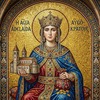
Saint Adelaide of Vilich
Saint Adelaide of Vilich (died at Cologne on 5 February 1015), daughter of Count Megingoz of Guelders, governed Vilich under the Rule of Saint Benedict.
 Source-linked Life
vol. I, pp. 140–141
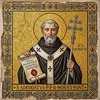
Saint Adelaide (Adelheid)
Saint Adelaide (Adelheid, 931–16 December 999), daughter of Rudolph II of Burgundy, married Otto the Great at Pavia in 951 after escaping Garda.
 Source-linked Life
vol. I, pp. 142–143
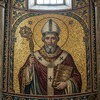
Pope Saint Adeodatus II
Pope Saint Adeodatus II (reigned 672–676), a monk of Saint Erasmus on the Coelian Hill, promoted monastic discipline and opposed the Monothelite heresy.
 Source-linked Life
vol. I, pp. 145–146
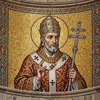
Saint Ado of Vienne
Saint Ado of Vienne (c. 800–16 December 875), educated at Ferrières under Lupus Servatus, served from 860 as Archbishop of Vienne.
 Source-linked Life
vol. I, pp. 156–157
Pope Saint Adrian III
Pope Saint Adrian III (elected early 884; died near Modena in summer 885) was a Roman pontiff who died en route to Charles the Fat’s imperial diet.
 Source-linked Life
vol. I, pp. 160–161
Saint Adrian of Canterbury
Saint Adrian of Canterbury (died 9 January 710), African-born Abbot of Nerida near Naples, declined Canterbury in 664 in favour of Theodore of Tarsus.
 Source-linked Life
vol. I, pp. 170–173
Saint Aedan of Ferns
Saint Aedan of Ferns (Mogue, c. 550–31 January 632), born in Cavan and trained under Saint David in Wales, served as first Bishop of Ferns.
 Source-linked Life
vol. I, pp. 170–173
Saint Aedh of Kildare
Saint Aedh of Kildare (styled Aedh Dubh and Latinized as Aidus; died 639), formerly King of Leinster, abdicated in 592 to enter Kildare monastery.
 Source-linked Life
vol. I, pp. 170–173
Blessed Giles of Assisi (Aegidius)
Blessed Giles of Assisi (Aegidius; joined the Friars Minor in April 1209; died 23 April 1262) was the third companion of Saint Francis of Assisi.
 Source-linked Life
vol. I, pp. 170–173
Saint Aelred of Rievaulx
Saint Aelred of Rievaulx (1109–12 January 1166), born at Hexham and raised at King David I’s Scottish court, served from 1146 as Abbot of Rievaulx.
 Source-linked Life
vol. I, pp. 170–173
Saint Aengus the Culdee
Saint Aengus the Culdee (died 11 March 824), educated at Clonenagh, lived as an Irish hermit at Disert-beagh and Dysert-Enos before entering Tallaght.
 Source-linked Life
vol. I, pp. 180–181
Saint Afra
Saint Afra (died c. 304) was a Christian martyr executed at Augusta Vindelicorum (Augsburg) in the Roman province of Rhaetia during the persecution of Diocletian.
 Source-linked Life
vol. I, pp. 200–203
Pope Saint Agapetus I
Pope Saint Agapetus I (also spelled Agapitus; reigned 535–536, died 21 April 536), son of the martyred Roman priest Gordianus, governed the Roman Church for ten months.
 Source-linked Life
vol. I, pp. 203–204
Saint Agatha
Saint Agatha was an early Christian virgin martyr put to death at Catania in Sicily, traditionally dated to the persecution of Emperor Decius (250–253).
 Source-linked Life
vol. I, pp. 204–205
Pope Saint Agatho
Pope Saint Agatho (born late sixth century in Sicily, died in Rome and buried 10 January 681) succeeded Pope Donus in 678.
 Source-linked Life
vol. I, p. 211
Saint Agilulfus
Saint Agilulfus (flourished 747, died c. 750) was Abbot of Stavelot and Bishop of Cologne, commended in 747 by Pope Zacharias for signing an orthodox profession of faith.
 Source-linked Life
vol. I, p. 212
Blessed Agnellus of Pisa
Blessed Agnellus of Pisa (born c. 1195 at Pisa, died 7 May 1236 at Oxford) was an Italian Friar Minor received into the Franciscan Order by Saint Francis of Assisi.
 Source-linked Life
vol. I, p. 213
Saint Agnes of Assisi
Saint Agnes of Assisi (born 1197 or 1198 at Assisi, died 16 November 1253), younger sister of Saint Clare and daughter of Count Favorino Scifi and Blessed Hortulana, joined Clare sixteen days after Clare’s flight from home in March 1212.
 Source-linked Life
vol. I, p. 213
Blessed Agnes of Bohemia
Blessed Agnes of Bohemia (also called Agnes of Prague; born 1200 at Prague, died probably in 1281), daughter of King Ottocar I of Bohemia and Queen Constance of Hungary, declined marriage to Emperor Frederick II in order to enter the cloister.
 Source-linked Life
vol. I, pp. 213–215
Saint Agnes of Montepulciano
Saint Agnes of Montepulciano (born near Montepulciano in Tuscany around 1268, died there in 1317) entered religious life at age nine and became prioress of a new monastery at Proceno at fifteen under Pope Nicholas IV.
 Source-linked Life
vol. I, pp. 214–215
Saint Agnes of Rome
Saint Agnes of Rome was a youthful Christian virgin martyr buried on the Via Nomentana and honoured in the Roman Depositio Martyrum of 354 on 21 January.
 Source-linked Life
vol. I, pp. 224–225
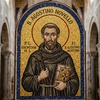
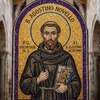
Blessed Agostino Novello
Blessed Agostino Novello (born Matteo di Termini in Sicily in the first half of the thirteenth century) was a Bologna-trained jurist and counsellor to King Manfred of Sicily who entered the Order of Saint Augustine as a lay brother after being left for dead in battle against Charles of Anjou.
 Source-linked Life
vol. I, p. 230
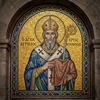
Saint Agricius
Saint Agricius (died 332 or 335) was fourth-century Bishop of Trier who attended the Council of Arles in 314 and signed its acts immediately after the presiding bishop.
 Source-linked Life
vol. I, p. 233
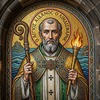
Saint Aidan of Lindisfarne
Saint Aidan of Lindisfarne (died 31 August 651 at Bamborough) was an Irish monk of Iona chosen in 635 as first Bishop of Lindisfarne and apostle of Northumbria.
 Source-linked Life
vol. I, p. 234
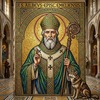
Saint Ailbe
Saint Ailbe (died c. 527 or 541) was Bishop of Emly in Munster, Ireland, and a disciple probably ordained priest by Saint Patrick.
 Source-linked Life
vol. I, pp. 234–235
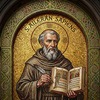
Saint Aileran
Saint Aileran (called Sapiens, “the Wise”; died 29 December 664) was a seventh-century Irish biblical scholar and rector (around 650) of the monastic School of Clonard.
 Source-linked Life
vol. I, pp. 252–253
Saint Alban
Saint Alban (suffered c. 304 at Verulamium, now St Albans in Hertfordshire) is honoured as the first martyr of Britain, with continuous veneration attested since the fifth century by Constantius of Lyon, Gildas, and Venantius Fortunatus.
 Source-linked Life
vol. I, p. 261
Blessed Albert of Jerusalem
Blessed Albert of Jerusalem (born in the Diocese of Parma, assassinated 14 September 1215 in Palestine) was a Canon Regular of Mortara, Bishop of Bobbio and Vercelli, and Latin Patriarch of Jerusalem under Pope Innocent III.
 Source-linked Life
vol. I, p. 261
Saint Albert of Louvain
Saint Albert of Louvain (died November 1192 or 1193 outside Reims), son of Count Godfrey III of Louvain, was elected Bishop of Liège in 1191.
 Source-linked Life
vol. I, p. 261
Blessed Albert Berdini of Sarteano
Blessed Albert Berdini of Sarteano (born 1385 at Sarteano in Tuscany, died 15 August 1450 at Milan) was a Franciscan friar and missionary who became a close disciple of Saint Bernardine of Siena.
 Source-linked Life
vol. I, pp. 264–267
Blessed Albertus Magnus
Blessed Albertus Magnus (Albert the Great; born c. 1205 or 1206 at Lauingen in Swabia, died 15 November 1280 at Cologne), Dominican friar, Bishop of Ratisbon, and teacher of Saint Thomas Aquinas, received the title Doctor Universalis for his mastery of natural science, philosophy, and theology.
 Source-linked Life
vol. I, p. 273
Saint Alcmund
Saint Alcmund (also spelled Alchmund; died 7 September 781) succeeded in 767 as Bishop of Hexham in Northumberland, governing the church founded by Saint Wilfrid until his death and burial beside Saint Acca.
 Source-linked Life
vol. I, p. 279
Saint Aldegundis
Saint Aldegundis (c. 639–684), a Merovingian noblewoman born in Hainault to Saints Walbert and Bertilia, refused marriage, received the religious veil from Bishop Amandus of Maastricht, and founded the convent of Malbode (Maubeuge) on the River Sambre.
 Source-linked Life
vol. I, pp. 280–281
Saint Aldhelm
Saint Aldhelm (c. 639–709) was Abbot of Malmesbury, first Bishop of Sherborne, and the earliest English scholar whose Latin prose and verse treatises survive.
 Source-linked Life
vol. I, p. 281
Saint Aldric
Saint Aldric (c. 800–856) was spiritual director to Louis the Pious and Bishop of Le Mans for twenty-four years, noted for his civic and ecclesiastical restorations.
 Source-linked Life
vol. I, pp. 285–286
Pope Saint Alexander I
Pope Saint Alexander I governed the Roman Church for about ten years under Emperor Trajan as the fifth successor of the Apostles.
 Source-linked Life
vol. I, p. 295
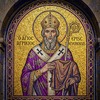
Saint Alexander of Jerusalem
Saint Alexander of Jerusalem (died 251) was Bishop of Jerusalem, founder of its library, patron of Origen, and a martyr in the persecution of Decius.
 Source-linked Life
vol. I, pp. 295–296
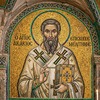
Saint Alexander of Comana
Saint Alexander of Comana, called the Charcoal Burner, was consecrated Bishop of Comana in Pontus by Saint Gregory Thaumaturgus and suffered martyrdom by fire under Decius.
 Source-linked Life
vol. I, p. 296
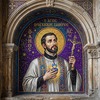
Saint Alexander of Alexandria
Saint Alexander of Alexandria (died 17 April 326) was Patriarch of Alexandria who condemned Arius at Alexandria and Nicaea and was succeeded by Saint Athanasius.
 Source-linked Life
vol. I, p. 296
Blessed Alexander Briant
Blessed Alexander Briant (c. 1556–1581) was an Oxford-educated missionary priest and Jesuit martyr executed at Tyburn on 1 December 1581.
 Source-linked Life
vol. I, p. 299
Blessed Alexander Sauli
Blessed Alexander Sauli (1533–1592), Superior-General of the Barnabites and Bishop of Aleria and Pavia, is honoured as the Apostle of Corsica.
 Source-linked Life
vol. I, p. 307
Saint Alexis Falconieri
Saint Alexis Falconieri (1200–1310) was one of the Seven Holy Founders of the Servite Order in Florence and spiritual guide to his niece Saint Juliana Falconieri.
 Source-linked Life
vol. I, pp. 307–308
Saint Alexius
Saint Alexius was a fifth-century ascetic of Edessa and Rome whose veneration spread across the West from the Aventine monastery of Saints Boniface and Alexius.
 Source-linked Life
vol. I, p. 310
Saint Alfrida
Saint Alfrida (fl. c. 795), daughter of King Offa of Mercia, lived as an enclosed recluse at Crowland after the murder of her betrothed, King Saint Ethelbert.
 Source-linked Life
vol. I, p. 310
Saint Alfwold
Saint Alfwold (died 1058), formerly a monk of Winchester, was the last Bishop of Sherborne before the see was united with Ramsbury.
 Source-linked Life
vol. I, p. 328
Venerable John Almond
Venerable John Almond (c. 1577–1612) was a Lancashire missionary priest educated at the English College in Rome and martyred at Tyburn on 5 December 1612.
 Source-linked Life
vol. I, p. 331
Saint Alnoth
Saint Alnoth (died c. 700) was a cowherd at Weedon and forest hermit in Northamptonshire who was venerated as a martyr after being slain by robbers.
 Source-linked Life
vol. I, pp. 331–332
Saint Aloysius Gonzaga
Saint Aloysius Gonzaga (1568–1591) renounced the marquisate of Castiglione to enter the Society of Jesus and died nursing plague victims in Rome.
 Source-linked Life
vol. I, pp. 334–341
Saint Alphonsus Liguori
Saint Alphonsus Liguori (1696–1787), founder of the Redemptorists and Bishop of Sant'Agata de' Goti, was a missionary, moral theologian, and Doctor of the Church.
 Source-linked Life
vol. I, p. 341
Saint Alphonsus Rodriguez
Saint Alphonsus Rodriguez (1532–1617) was a widowed merchant of Segovia who served for forty-six years as Jesuit lay-brother porter at Majorca.
 Source-linked Life
vol. I, pp. 366–367
Blessed Altmann of Passau
Blessed Altmann of Passau was an eleventh-century Bishop of Passau and Papal Legate who defended Pope Gregory VII and clerical celibacy against Emperor Henry IV.
 Source-linked Life
vol. I, pp. 366–367
Saint Alto
Saint Alto (fl. c. 750) was a missionary recluse in Bavaria who founded the abbey of Altomünster on land granted by King Pepin.
 Source-linked Life
vol. I, p. 374
Saint Alypius of Thagaste
Saint Alypius of Thagaste, lifelong friend of Saint Augustine, was baptized by Saint Ambrose at Milan and consecrated Bishop of Thagaste in 394.
 Source-linked Life
vol. I, p. 377
Saint Amalberga of Maubeuge
Saint Amalberga of Maubeuge (also called Amelia, feast 10 July) was a seventh-century relative of Pepin of Landen and the wife of Witger.
 Source-linked Life
vol. I, p. 377
Saint Amalberga of Temse
Saint Amalberga of Temse (died 10 July in her thirty-first year, five years after Charlemagne's accession) was a Belgian consecrated virgin.
 Source-linked Life
vol. I, p. 380
Saint Amandus
Saint Amandus (born near Nantes in the late sixth century, died at Elnon aged ninety) was a missionary bishop in Flanders.
 Source-linked Life
vol. I, pp. 383–388
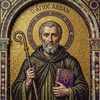
Saint Ambrose
Saint Ambrose (born around 340, died 4 April 397) was Bishop of Milan from 374 and one of the four original Latin Doctors of the Church.
 Source-linked Life
vol. I, p. 388
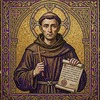
Saint Ambrose of Camaldoli
Saint Ambrose of Camaldoli (Ambrose Traversari, 1386–1439) was an Italian humanist theologian and General of the Camaldolese Order.
 Source-linked Life
vol. I, p. 388
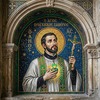
Blessed Ambrose of Siena
Blessed Ambrose of Siena (Ambrogio Sansedoni, born 10 April 1220, died 1286) was an Italian Dominican theologian, missionary, and papal peacemaker.
 Source-linked Life
vol. I, p. 428
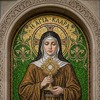
Venerable John Amias
Venerable John Amias (executed at York on 16 March 1589) was a widowed Wakefield cloth merchant ordained a priest at Reims in 1581.
 Source-linked Life
vol. I, pp. 429–431
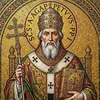
Saint Ammon
Saint Ammon (also called Amun or Amus, feast 4 October) was an Egyptian ascetic who withdrew to the desert of Nitria.
 Source-linked Life
vol. I, pp. 446–447
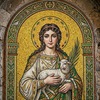
Pope Saint Anacletus
Pope Saint Anacletus (also called Cletus or Anencletus, martyred around 91) was the second successor of Saint Peter as Bishop of Rome.
 Source-linked Life
vol. I, pp. 452–454
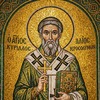
Saint Anastasia
Saint Anastasia (feast 25 December) was an early Christian martyr of Sirmium in Pannonia honoured in Constantinople and Rome.
 Source-linked Life
vol. I, p. 454
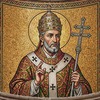
Saint Anastasius of Antioch
Saint Anastasius of Antioch (Patriarch from 559, died 598) defended Catholic teaching on the Body of Christ against Emperor Justinian I.
 Source-linked Life
vol. I, p. 454
Pope Saint Anastasius I
Pope Saint Anastasius I (elected in 399, feast 27 September) was a native Roman pontiff who condemned Origenism.
 Source-linked Life
vol. I, p. 455
Saint Anastasius the Persian
Saint Anastasius the Persian (born Magundat, martyred 22 January 628) was a Persian soldier of King Chosroes II who converted to Christianity.
 Source-linked Life
vol. I, p. 455
Saint Anastasius Sinaita
Saint Anastasius Sinaita (born at Alexandria, died after 700) was a seventh-century Greek theologian and Abbot of Mount Sinai.
 Source-linked Life
vol. I, p. 457
Saint Anatolia
Saint Anatolia (martyred under Emperor Decius, feast 9 July) was a Christian virgin put to death by the sword at Thyrus (or Thora).
 Source-linked Life
vol. I, p. 457
Saint Anatolius of Laodicea
Saint Anatolius of Laodicea (died 283, feast 3 July) was an Alexandrian Aristotelian philosopher and mathematician who became Bishop of Laodicea in Syria.
 Source-linked Life
vol. I, p. 457
Saint Anatolius of Constantinople
Saint Anatolius of Constantinople (born at Alexandria, died 458, feast 3 July) was Patriarch of Constantinople for eight years from 449.
 Source-linked Life
vol. I, pp. 461–462
Venerable Joseph Anchieta
Venerable Joseph Anchieta (1533–1597), the Apostle of Brazil, was a Jesuit missionary, linguist, and Provincial who laboured forty-four years in Brazil.
 Source-linked Life
vol. I, p. 467
Venerable Robert Anderton
Venerable Robert Anderton (born around 1560, executed 25 April 1586) was an Oxford-educated English convert ordained at Reims in 1580.
 Source-linked Life
vol. I, p. 468
Venerable William Andleby
Venerable William Andleby (born at Etton in Yorkshire, martyred at York on 4 July 1597) was an English missionary priest converted at Douai.
 Source-linked Life
vol. I, pp. 469–470
Blessed Andrea Dotti
Blessed Andrea Dotti (1256–1315) was a Tuscan nobleman of Borgo San Sepolcro who entered the Servite Order in 1278.
 Source-linked Life
vol. I, p. 471
Saint Andrew the Apostle
Saint Andrew the Apostle (died 30 November 60 at Patrae), a Galilean fisherman from Bethsaida and brother of Simon Peter, brought Peter to Jesus.
 Source-linked Life
vol. I, p. 472
Saint Andrew of Lampsacus
Saint Andrew of Lampsacus was a third-century Christian martyr killed at Lampsacus in Mysia during the persecution of Emperor Decius.
 Source-linked Life
vol. I, p. 472
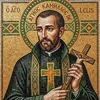
Saint Andrew Avellino
Saint Andrew Avellino (1521–10 November 1608), born Lancelotto at Castronuovo in Sicily, renounced his career as an ecclesiastical lawyer at Naples.
 Source-linked Life
vol. I, p. 472
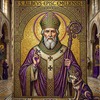
Blessed Andrew Bobola
Blessed Andrew Bobola (1590–16 May 1657), a Polish Jesuit priest born in the Palatinate of Sandomir, laboured in the Lithuanian missions around Pinsk.
 Source-linked Life
vol. I, pp. 472–473
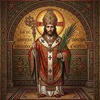
Saint Andrew Corsini
Saint Andrew Corsini (1302–1373), a Florentine nobleman who entered the Carmelite Order, served twelve years as Bishop of Fiesole.
 Source-linked Life
vol. I, pp. 473–474
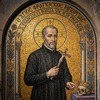
Saint Andrew of Crete
Saint Andrew of Crete (born at Damascus c. 650; died 4 July 740 or 720) was Metropolitan of Gortyna, Greek homilist, and pioneer of the liturgical canon.
 Source-linked Life
vol. I, pp. 474–475
Saint Andrew the Scot
Saint Andrew the Scot (died c. 877) was an Irish pilgrim who served forty-seven years under Bishop Donatus as Archdeacon of Fiesole.
 Source-linked Life
vol. I, pp. 481–482
Saint Angela Merici
Saint Angela Merici (1474–1540) was a Franciscan tertiary from Desenzano who founded the Order of the Ursulines at Brescia in 1535.
 Source-linked Life
vol. I, p. 482
Blessed Angela of Foligno
Blessed Angela of Foligno (1248–1309) was an Umbrian Franciscan tertiary and mystical writer who dictated the Book of Visions and Instructions.
 Source-linked Life
vol. I, pp. 484–485
Blessed Angelo Carletti di Chivasso
Blessed Angelo Carletti di Chivasso (1411–1495) was a Franciscan moral theologian, papal nuncio, and author of the Summa Angelica.
 Source-linked Life
vol. I, p. 490
Saint Angilbert
Saint Angilbert (died 18 February 814) was a Carolingian court poet, diplomat, and Abbot of Centula (Saint-Riquier) in Picardy.
 Source-linked Life
vol. I, p. 514
Pope Saint Anicetus
Pope Saint Anicetus governed the Roman Church from about 157 to 168 and conferred with Saint Polycarp of Smyrna over the date of Easter.
 Source-linked Life
vol. I, pp. 538–539
Saint Anne
Saint Anne (Hebrew Hannah, 'grace') is honoured in Christian tradition as the wife of Saint Joachim and mother of the Blessed Virgin Mary.
 Source-linked Life
vol. I, p. 541
Saint Anno of Cologne
Saint Anno of Cologne (died 4 December 1075) was Archbishop of Cologne from 1056, imperial regent under Henry IV, and monastic reformer.
 Source-linked Life
vol. I, pp. 544–545
Saint Ansgar (Anschar)
Saint Ansgar (801–865), the Apostle of the North, was a Benedictine missionary to Denmark and Sweden and first Archbishop of Hamburg-Bremen.
 Source-linked Life
vol. I, pp. 545–546
Saint Ansegisus
Saint Ansegisus (c. 770–833/834) was a Benedictine Abbot of Luxeuil and Fontanelle who compiled the Frankish Capitularies in 827.
 Source-linked Life
vol. I, pp. 546–550
Saint Anselm of Canterbury
Saint Anselm of Canterbury (1033/34–1109), Prior and Abbot of Bec and Archbishop of Canterbury, was a Doctor of the Church and Scholastic theologian.
 Source-linked Life
vol. I, p. 550
Saint Anselm of Nonantola
Saint Anselm of Nonantola, former Duke of Friuli, founded the Benedictine Abbey of Nonantola in 752 and governed it as abbot for fifty years.
 Source-linked Life
vol. I, p. 550
Saint Anselm of Lucca
Saint Anselm of Lucca the Younger (c. 1036–1086) was Bishop of Lucca, Papal Legate of Lombardy, counselor to Matilda of Tuscany, and canonist.
 Source-linked Life
vol. I, p. 553
Pope Saint Anterus
Pope Saint Anterus governed the Roman Church from 21 November 235 to 3 January 236 and was buried in the Catacomb of Saint Callistus.
 Source-linked Life
vol. I, pp. 553–555
Saint Anthony of Egypt
Saint Anthony of Egypt (c. 251–356/357), the father of Christian monasticism, organized eremitical monastic life at Pispir and the Red Sea desert.
 Source-linked Life
vol. I, pp. 556–558
Saint Anthony of Padua
Saint Anthony of Padua (1195–13 June 1231), baptized Ferdinand at Lisbon, left the Canons Regular of Saint Augustine in 1220 to enter the Friars Minor.
 Source-linked Life
vol. I, pp. 585–586
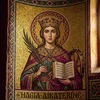
Saint Antoninus of Florence
Saint Antoninus of Florence (1389–1459), born Antonius Pierozzi, entered the Dominican Order under Blessed John Dominic and founded Saint Mark's.
 Source-linked Life
vol. I, p. 588
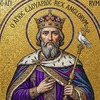
Saint Antonio Maria Zaccaria
Saint Antonio Maria Zaccaria (1502–5 July 1539), a physician of Cremona ordained in 1528, founded the Clerks Regular of Saint Paul (Barnabites) in Milan.
 Source-linked Life
vol. I, p. 593
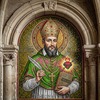
Saint Aphian
Saint Aphian (or Apian, martyred around 306 at Caesarea), a Lycian disciple of Saint Pamphilus, suffered torture and drowning under Prefect Urbanus.
 Source-linked Life
vol. I, pp. 616–617
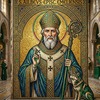
Saint Apollinaris of Ravenna
Saint Apollinaris of Ravenna, consecrated first Bishop of Ravenna by Saint Peter, evangelized Ravenna, Aemilia, and Greece for twenty-six years.
 Source-linked Life
vol. I, pp. 616–617
Saint Apollinaris of Valence
Saint Apollinaris of Valence (453–520), born at Vienne of a noble family, became Bishop of Valence in 486 after a fifty-year vacancy.
 Source-linked Life
vol. I, pp. 616–617
Saint Claudius Apollinaris
Saint Claudius Apollinaris, second-century Bishop of Hierapolis in Phrygia and Christian apologist, wrote treatises against heretics, Jews, and pagans.
 Source-linked Life
vol. I, pp. 616–617
Saint Apollonia
Saint Apollonia (martyred at Alexandria in late 248 or early 249) was an esteemed virgin described in a letter of Bishop Dionysius of Alexandria.
 Source-linked Life
vol. I, p. 686
Saint Arbogast
Saint Arbogast (Gaelic Arascach, died 678) was a seventh-century Irish missionary hermit in Alsace and friend of King Dagobert II of Austrasia.
 Source-linked Life
vol. I, pp. 707–708
Saint Arialdo
Saint Arialdo (martyred in 1065), born at Cutiacum and educated at Laon and Paris, became a canon in Milan and opposed simoniacal clergy.
 Source-linked Life
vol. I, p. 752
Saint Arnulf of Metz
Saint Arnulf of Metz (born around 580, died around 640), a Frankish royal minister and Carolingian ancestor, became Bishop of Metz around 611.
 Source-linked Life
vol. I, p. 754
Saint Arsenius
Saint Arsenius the Great (354–450), a Roman deacon chosen in 383 to tutor Arcadius and Honorius at Constantinople, fled the court in 394.
 Source-linked Life
vol. I, pp. 765–766
Saint Asaph
Saint Asaph (or Asa, second half of the sixth century) was a Welsh monk under Saint Kentigern at the wooden Celtic monastery of Llanelwy on the River Elwy.
 Source-linked Life
vol. I, pp. 776–777
Venerable Ralph Ashley
Venerable Ralph Ashley (executed 7 April 1606 at Worcester) was an English Jesuit lay-brother who entered the Society of Jesus at Valladolid in 1590.
 Source-linked Life
vol. I, pp. 776–777
Venerable Roger Ashton
Venerable Roger Ashton (executed 23 June 1592 at Tyburn), son of Richard Ashton of Croston in Lancashire, served Sir William Stanley at Deventer in 1587.
 Source-linked Life
vol. I, pp. 800–801
Saint Assicus
Saint Assicus (or Assic), a convert and coppersmith of Saint Patrick, became first Bishop and Patron of Elphin.
The Catholic Encyclopedia, Volume II: Assize–Brownson
 Source-linked Life
vol. II, pp. 35–40
Saint Athanasius
Saint Athanasius (c. 296–2 May 373) was Bishop of Alexandria, Confessor, and Doctor of the Church who defended the Nicene homoousion against Arianism.
 Source-linked Life
vol. II, p. 60
Saint Attala
Saint Attala (died 627; feast 10 March) was a Burgundian monk who trained at Lérins and under Saint Columban at Luxeuil.
 Source-linked Life
vol. II, pp. 62–63
Saint Attracta (Araght)
Saint Attracta (or Araght; fifth century; feast 11 August) was an Irish virgin who received the religious veil from Saint Patrick.
 Source-linked Life
vol. II, pp. 81–84
Saint Augustine of Canterbury
Saint Augustine of Canterbury (died 26 May 604; Roman feast 28 May, English 26 May) was the first Archbishop of Canterbury and Apostle of the English.
 Source-linked Life
vol. II, pp. 84–104
Saint Augustine of Hippo
Saint Augustine of Hippo (13 November 354–28 August 430) was Bishop of Hippo Regius and Doctor of Grace.
 Source-linked Life
vol. II, pp. 107–108
Saint Aunarius (Aunacharius)
Saint Aunarius (or Aunacharius; died 603; feast 25 September) was Bishop of Auxerre in France and a priest ordained by Saint Syagrius of Autun.
 Source-linked Life
vol. II, pp. 120–121
Saint Austrebertha
Saint Austrebertha (c. 630–10 February 703 or 704; feast 10 February) was a Frankish virgin born at Thérouanne and veiled by Bishop Saint Omer.
 Source-linked Life
vol. II, p. 121
Saint Austremonius
Saint Austremonius (flourished c. 314; feast 1 November) was the Apostle and first Bishop of Auvergne at Clermont.
 Source-linked Life
vol. II, p. 161
Saint Avitus of Vienne (Alcimus Ecdicius)
Saint Avitus of Vienne (Alcimus Ecdicius Avitus; Bishop of Vienne from 490 to c. 518; feast 5 February) was a Gallo-Roman prelate and Latin Christian poet.
 Source-linked Life
vol. II, pp. 178–179
Saint Babylas of Antioch
Saint Babylas of Antioch (martyred in 250; Latin feast 24 January, Greek 4 September) was the twelfth Bishop of Antioch.
 Source-linked Life
vol. II, p. 209
Saint Baithen of Iona
Saint Baithen of Iona (styled Baithen Mór; 536–c. 600; feast 6 October) was an Irish monk and first cousin of Saint Columba.
 Source-linked Life
vol. II, p. 212
Venerable Charles Baker (David Lewis)
Venerable Charles Baker (true name David Henry Lewis; 1616–27 August 1679) was a Welsh Jesuit missionary and martyr.
 Source-linked Life
vol. II, p. 216
Saint Balbina
Saint Balbina (commemorated 31 March) is a Roman virgin honoured at three early Christian monuments in Rome.
 Source-linked Life
vol. II, p. 219
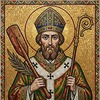
Blessed Anthony Baldinucci
Blessed Anthony Baldinucci (19 June 1665–6 November 1717; beatified 23 April 1893) was a Florentine Jesuit priest and missionary.
 Source-linked Life
vol. II, p. 220
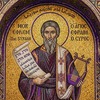
Saint Baldred
Saint Baldred (commemorated 6 March) is the name of two northern British confessors honoured in Scottish and Northumbrian calendars.
 Source-linked Life
vol. II, p. 222
Venerable Christopher Bales
Venerable Christopher Bales (or Bayles, alias Evers; c. 1564–4 March 1590) was an English seminary priest born at Coniscliffe in County Durham.
 Source-linked Life
vol. II, p. 242
Venerable Edward Bamber
Venerable Edward Bamber (alias Reading; martyred at Lancaster on 7 August 1646) was an English seminary priest born at Poulton-le-Fylde in Lancashire.
 Source-linked Life
vol. II, p. 276
Blessed Baptista Mantuanus (Spagnoli)
Blessed Baptista Mantuanus (Baptista Spagnoli; 17 April 1447–22 March 1516; beatified 1890) was a Carmelite reformer and Renaissance Latin poet.
 Source-linked Life
vol. II, pp. 283–284
Venerable Madeleine-Sophie Barat
Venerable Madeleine-Sophie Barat (12 December 1779–24 May 1865; declared Venerable in 1879) was the French foundress of the Society of the Sacred Heart.
 Source-linked Life
vol. II, pp. 284–285
Saint Barbara
Saint Barbara (commemorated 4 December) is a virgin martyr venerated from the seventh century across the Greek and Latin Churches.
 Source-linked Life
vol. II, pp. 296–297
Venerable Mark Barkworth
Venerable Mark Barkworth (alias Lambert; c. 1572–27 February 1601) was a Lincolnshire convert ordained priest at Valladolid in 1599.
 Source-linked Life
vol. II, p. 297
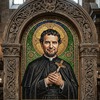
Saints Barlaam and Josaphat
Saints Barlaam and Josaphat (feasts 27 November and 26 August) are the ascetic heroes of a seventh-century Greek Christian narrative.
 Source-linked Life
vol. II, p. 298
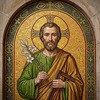
Venerable Edward Ambrose Barlow
Venerable Edward Ambrose Barlow (alias Radcliffe and Brereton; 1585–10 September 1641) was an English Benedictine monk of Saint Gregory’s, Douai.
 Source-linked Life
vol. II, pp. 300–301
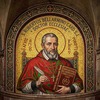
Saint Barnabas
Saint Barnabas (died before c. 61–63) was a Cypriot Jewish Levite of the early Jerusalem Church who received the apostolic title through his missionary labours with Saint Paul.
 Source-linked Life
vol. II, pp. 304–307
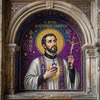
Venerable Cesare Baronius
Venerable Cesare Baronius (1538–1607) was an Italian Oratorian priest, cardinal, and Vatican Librarian whose twelve-volume Annales Ecclesiastici earned him the title “Father of Ecclesiastical History” after Eusebius.
 Source-linked Life
vol. II, pp. 309–310
Venerable William Barrow
Venerable William Barrow (1609–1679), also known as William Waring and William Harcourt, was an English Jesuit priest and Superior of the London District executed at Tyburn during the Titus Oates Plot persecution.
 Source-linked Life
vol. II, pp. 313–314
Saint Bartholomew the Apostle
Saint Bartholomew was one of the Twelve Apostles of Jesus Christ, commonly identified with Nathanael of Galilee, whom Philip brought to Jesus in the Fourth Gospel.
 Source-linked Life
vol. II, pp. 314–316
Venerable Bartholomew of Braga
Venerable Bartholomew of Braga (1514–1590), born Bartholomew Fernandez and known in Latin as Bartholomaeus a Martyribus, was a Portuguese Dominican theologian and Archbishop of Braga who helped shape the reform decrees of the Council of Trent.
 Source-linked Life
vol. II, p. 329
Saint Basilides
Saint Basilides is the name of both a third-century Alexandrian court officer martyred under Emperor Septimius Severus after protecting the virgin martyr Potamiana and a Roman martyr venerated on the Via Aurelia.
 Source-linked Life
vol. II, p. 329
Saint Basilissa
Saint Basilissa is the name borne by seven early Christian female martyrs commemorated in the fourth-century Martyrologium Hieronymianum and ancient Greek and Roman liturgical calendars.
 Source-linked Life
vol. II, pp. 330–334
Saint Basil the Great
Saint Basil the Great (c. 329–379) was Bishop of Caesarea in Cappadocia, Doctor of the Church, and Father of Oriental Monasticism, renowned alongside Gregory of Nazianzus and Gregory of Nyssa among the Three Cappadocians.
 Source-linked Life
vol. II, pp. 347–349
Saint Bathilde (Batilde)
Saint Bathilde (died January 680) was a former household slave in Neustria who became Queen of the Franks as wife of Clovis II and later Regent for her son Clothaire III.
 Source-linked Life
vol. II, pp. 375–376
Saint Beatrix (Beatrice)
Saint Beatrix (Beatrice) is the name of a Roman virgin martyr commemorated on 29 July alongside her brothers Simplicius and Faustinus, as well as six medieval holy women of the Benedictine, Cistercian, Carthusian, and Conceptionist orders.
 Source-linked Life
vol. II, pp. 384–386
Saint Bede the Venerable
Saint Bede the Venerable (672/673–735), Benedictine monk of Wearmouth and Jarrow, was the Father of English History and a Doctor of the Church.
 Source-linked Life
vol. II, p. 389
Venerable George Beesley
Venerable George Beesley (died 2 July 1591), also spelled Bisley, was an English missionary priest from Goosnargh in Lancashire who suffered execution in Fleet Street, London, under Queen Elizabeth I.
 Source-linked Life
vol. II, p. 394
Venerable Thomas Belchiam
Venerable Thomas Belchiam (died 3 August 1537) was an English Observant Franciscan friar imprisoned under King Henry VIII for opposing the royal divorce and supremacy.
 Source-linked Life
vol. II, pp. 410–411
Venerable Arthur Bell
Venerable Arthur Bell (1590–1643), known in religion as Father Francis Bell, was an English Franciscan priest, Hebrew professor at Douai, and first Provincial of the restored Scottish Franciscan province.
 Source-linked Life
vol. II, p. 411
Venerable James Bell
Venerable James Bell (c. 1520–1584) was an Oxford-educated English priest ordained under Queen Mary Tudor who reconciled with the Catholic Church in 1581 and suffered execution at Lancaster alongside Venerable John Finch.
 Source-linked Life
vol. II, pp. 411–413
Venerable Robert Bellarmine
Venerable Robert Bellarmine (1542–1621) was an Italian Jesuit theologian, Archbishop of Capua, and Cardinal whose Disputationes de Controversiis systematized Catholic apologetics after the Council of Trent.
 Source-linked Life
vol. II, p. 425
Venerable Thomas Belson
Venerable Thomas Belson (died 5 July 1589) was an English Catholic layman from Brill in Oxfordshire who was hanged at Oxford under Queen Elizabeth I for assisting missionary priests.
 Source-linked Life
vol. II, p. 427
Pope Saint Benedict II
Pope Saint Benedict II (reigned 684–685) was a Roman pontiff who obtained from Emperor Constantine IV Pogonatus an imperial decree simplifying the confirmation of papal elections.
 Source-linked Life
vol. II, pp. 429–430
Pope Blessed Benedict XI
Pope Blessed Benedict XI (1240–1304), born Nicholas Boccasini at Treviso, was Master General of the Dominican Order and Cardinal-Bishop of Ostia before serving an eight-month pontificate from 1303 to 1304.
 Source-linked Life
vol. II, p. 441
Saint Benedict Biscop
Saint Benedict Biscop (c. 628–690) was a noble Anglo-Saxon Benedictine monk and founder of the twin Northumbrian monasteries of Wearmouth (674) and Jarrow (682).
 Source-linked Life
vol. II, pp. 442–443
Saint Benedict Joseph Labre
Saint Benedict Joseph Labre (1748–1783) was a French lay penitent and mendicant pilgrim who, after repeated attempts to enter the Trappist, Carthusian, and Cistercian orders, embraced a life of homelessness and prayer across Europe’s shrines and at Rome.
 Source-linked Life
vol. II, p. 467
Saint Benedict of Aniane
Saint Benedict of Aniane (c. 745/750–821), born Witiza into the Visigothic nobility of Languedoc, was the chief monastic reformer of the Carolingian Empire under Charlemagne and Louis the Pious.
 Source-linked Life
vol. II, pp. 467–472
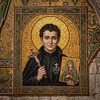
Saint Benedict of Nursia
Saint Benedict of Nursia (c. 480–543) was the Italian monastic founder of Subiaco and Monte Cassino and author of the Rule of Saint Benedict, which earned him the title Patriarch of Western Monks.
 Source-linked Life
vol. II, pp. 472–473
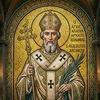
Saint Benedict of San Philadelphio (Benedict the Moor)
Saint Benedict the Moor (1526–1589), also called Benedict of San Philadelphio or of Palermo, was a Sicilian Franciscan lay brother born to Christian Ethiopian slave parents.
 Source-linked Life
vol. II, p. 479
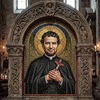
Saint Benignus of Armagh (Benen)
Saint Benignus of Armagh (Benen, died 467) was Saint Patrick's favourite disciple, psalm-singer, and coadjutor in the See of Armagh from 450 to 467.
 Source-linked Life
vol. II, pp. 479–480
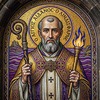
Saint Benignus of Dijon
Saint Benignus of Dijon was a third-century martyr and patron saint of Dijon over whose tomb Bishop Gregory of Langres built a sixth-century basilica.
 Source-linked Life
vol. II, p. 481
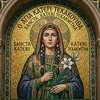
Saint Benno of Meissen
Saint Benno (d. 1106), Bishop of Meissen during the Investiture Contest, was canonized by Pope Adrian VI in 1523 and is honoured as patron saint of Munich.
 Source-linked Life
vol. II, p. 485
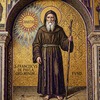
Saint Berach
Saint Berach of Termonbarry (died 595), a disciple of Saint Kevin, founded the monastic church of Cluain Coirpthe (Kilbarry) in the Diocese of Elphin.
 Source-linked Life
vol. II, p. 485
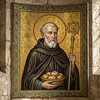
Saint Berard of Carbio
Saint Berard of Carbio (died 1220) led the five Franciscan protomartyrs of Morocco sent out by Saint Francis of Assisi after the Second General Chapter of 1219.
 Source-linked Life
vol. II, p. 486
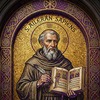
Saint Bercharius
Saint Bercharius (636–696) was first Abbot of Hautvillers in Champagne and founder of the monasteries of Moutier-en-Der and Pellemontier.
 Source-linked Life
vol. II, pp. 486–487
Blessed Berchtold (Berthold)
Blessed Berchtold (Berthold, died 1197) succeeded Blessed Frowin in 1178 as Abbot of the Benedictine monastery of Engelberg in Switzerland.
 Source-linked Life
vol. II, p. 496
Saint Bernard of Vienne (Barnard)
Saint Bernard of Vienne (778–842) was Abbot of Ambronay, Archbishop of Vienne from 810, and founder of the abbey at Romans-sur-Isère.
 Source-linked Life
vol. II, pp. 498–501
Saint Bernard of Clairvaux
Saint Bernard of Clairvaux (1090–1153), founding Abbot of Clairvaux and Doctor of the Church, shaped twelfth-century Cistercian monasticism, papal unity, and mystical theology.
 Source-linked Life
vol. II, pp. 503–504
Saint Bernard of Menthon
Saint Bernard of Menthon (923–1008), Archdeacon of Aosta and Apostle of the Alps, founded the hospices on the Great and Little Saint Bernard passes.
 Source-linked Life
vol. II, p. 504
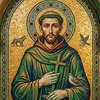
Saint Bernard Tolomeo
Saint Bernard Tolomeo (1272–1348) was a Sienese magistrate and hermit who founded the Olivetan Benedictine Congregation at Monte Oliveto in 1319.
 Source-linked Life
vol. II, pp. 504–505
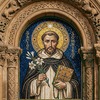
Blessed Bernardine of Feltre
Blessed Bernardine of Feltre (1439–1494) was a Franciscan missionary preacher renowned for organizing and founding the charitable lending institutions known as monti di pietà.
 Source-linked Life
vol. II, p. 505
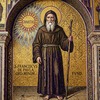
Blessed Bernardine of Fossa
Blessed Bernardine of Fossa (1420–1503), Franciscan provincial and missionary in Italy and Dalmatia, authored the Chronica Fratrum Minorum Observantiae.
 Source-linked Life
vol. II, pp. 505–507
Saint Bernardine of Siena
Saint Bernardine of Siena (1380–1444), Apostle of Italy and propagator of the Franciscan Observance, promoted devotion to the Holy Name of Jesus across Renaissance Italy.
 Source-linked Life
vol. II, p. 513
Saint Bernward of Hildesheim
Saint Bernward (d. 1022), tutor to Otto III and thirteenth Bishop of Hildesheim, was a master of Romanesque metalwork and architecture.
 Source-linked Life
vol. II, p. 519
Saint Bertha
Five holy women named Bertha include Queen Bertha of Kent (d. c. 612) and the abbesses of Avenay, Blangy, Cavriglia, and Marquette.
 Source-linked Life
vol. II, p. 522
Saint Bertin
Saint Bertin (c. 615–c. 709), missionary to the Morini and Abbot of Sithiu at Saint-Omer, governed the great monastery later named the Abbey of Saint-Bertin.
 Source-linked Life
vol. II, p. 524
Saint Bertulf
Saint Bertulf (d. 639 or 640) was third Abbot of Bobbio, defender of the Columbanian Rule against Lombard Arianism, and recipient of the first papal privilege of monastic exemption.
 Source-linked Life
vol. II, p. 540
Saint Beuno
Saint Beuno (d. c. 660), founding Abbot of Clynnog Fawr in North Wales, was a missionary and uncle of Saint Winefride of Holywell.
 Source-linked Life
vol. II, p. 558
Venerable Robert Bickerdike
Venerable Robert Bickerdike (died 1585) was a Yorkshire layman martyred at York under Elizabeth I for aiding Venerable John Boste and defending Venerable Francis Ingleby.
 Source-linked Life
vol. II, p. 578
Saint Birinus
Saint Birinus (d. 650), Apostle of Wessex and first Bishop of Dorchester in Oxfordshire, baptized King Cynegils and the West Saxon royal house.
 Source-linked Life
vol. II, p. 592
Saint Blaise of Sebaste
Blaise is remembered as a bishop of Sebaste in Armenia, killed for his faith around 316.
 Source-linked Life
vol. II, p. 594
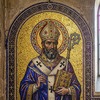
Saint Blandina
Saint Blandina (died 177) was a Christian slave and virgin martyred in the amphitheatre of Lyons under Marcus Aurelius.
 Source-linked Life
vol. II, pp. 594–595
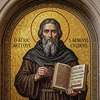
Saint Blane (Blaan)
Saint Blane (Blaan, died 590), nephew of Saint Cathan and bishop among the Picts, gave his name and monastic site to the Cathedral of Dunblane.
 Source-linked Life
vol. II, p. 596
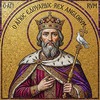
Saint Blathmac
Saint Blathmac (born in Ireland about 750; martyred at Iona in 825 or 835) was a noble Irish monk and abbot whose name was latinized as Florentius.
 Source-linked Life
vol. II, pp. 608–609
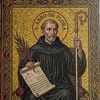
Venerable John Bodey
Venerable John Bodey (1549–1583) was an English Catholic layman, scholar, and former Fellow of New College, Oxford.
 Source-linked Life
vol. II, p. 625
Saint Boisil
Saint Boisil (died 664) was the monastic superior of Melrose Abbey in Scotland and the spiritual master of Saint Cuthbert.
 Source-linked Life
vol. II, pp. 648–654
Saint Bonaventure
Saint Bonaventure (1221–1274) was Minister General of the Friars Minor, Cardinal-Bishop of Albano, and the Seraphic Doctor of the Church.
 Source-linked Life
vol. II, pp. 656–658
Saint Boniface
Saint Boniface, born Winfrid in Wessex about 672–675 and martyred at Dokkum in 754 or 755, was Archbishop of Mainz and the Apostle of Germany.
 Source-linked Life
vol. II, pp. 658–660
Pope Saint Boniface I
Pope Saint Boniface I (reigned 28 December 418 – 4 September 422) was a Roman presbyter whose election was contested by the antipope Eulalius.
 Source-linked Life
vol. II, pp. 660–661
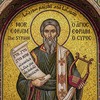
Pope Saint Boniface IV
Pope Saint Boniface IV (reigned 608–615) was a Marsian from Valeria who served as dispensator under Pope Gregory the Great.
 Source-linked Life
vol. II, p. 674
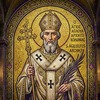
Venerable Jean-Louis Bonnard
Venerable Jean-Louis Bonnard (1824–1852) was a French priest of the Paris Foreign Missions Seminary who laboured in Western Tongking.
 Source-linked Life
vol. II, pp. 686–687
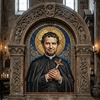
Venerable Pierre-Rose-Ursule-Dumoulin Borie
Venerable Pierre Borie (1808–1838) was a French missionary priest named Vicar Apostolic of Western Tongking and Bishop-elect of Acanthus.
 Source-linked Life
vol. II, pp. 689–691
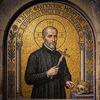
Venerable Giovanni Melchior Bosco (Don Bosco)
Venerable John Bosco (Don Bosco, 1815–1888; declared Venerable in 1907) was an Italian priest who founded the Salesian Society at Turin.
 Source-linked Life
vol. II, pp. 701–703
Venerable John Boste
Venerable John Boste (about 1544–1594) was a convert Fellow of Queen's College, Oxford, and missionary priest ordained at Reims in 1581.
 Source-linked Life
vol. II, pp. 709–710
Saint Botulph (Botolf)
Saint Botulph (or Botolf, died about 680) was an Anglo-Saxon abbot who founded the monastery of Icanhoe in 654.
 Source-linked Life
vol. II, pp. 744–745
Saint Braulio of Saragossa
Saint Braulio of Saragossa (bishop from 631; died about 651) was a Visigothic Spanish prelate and friend of Saint Isidore of Seville.
 Source-linked Life
vol. II, p. 758
Saint Brenach
Saint Brenach (feast 7 April) was a fifth-century Irish missionary in Wales and a contemporary of Saint Patrick.
 Source-linked Life
vol. II, pp. 758–759
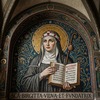
Saint Brendan of Clonfert
Saint Brendan of Ardfert and Clonfert, called the Voyager (484–577), was an Irish monastic founder educated by Saint Ita and Bishop Erc.
 Source-linked Life
vol. II, pp. 780–782
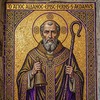
Saint Bridget of Sweden (Birgitta)
Saint Bridget of Sweden (Birgitta, about 1303–1373) was a Swedish noblewoman, mystic, and mother of eight children including Saint Catherine.
 Source-linked Life
vol. II, p. 784
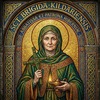
Saint Brieuc (Brioc)
Saint Brieuc (Briocus, Brioc, or Bru, died about 502; feast 1 May) was an early Celtic missionary and first Bishop of Saint-Brieuc-des-Vaux in Brittany.
 Source-linked Life
vol. II, pp. 784–785
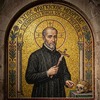
Saint Brigid of Ireland
Saint Brigid of Ireland (born at Faughart in 451 or 452; died at Kildare on 1 February 525) was an Irish abbess and Patroness of Ireland.
 Source-linked Life
vol. II, pp. 787–788
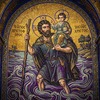
Venerable Edmund Brindholm
Venerable Edmund Brindholm (or Bryndeholme, executed at Tyburn on 4 August 1540) was an English martyr and parish priest of Our Lady's Church at Calais.
 Source-linked Life
vol. II, pp. 793–794
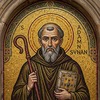
Venerable John Britton (Bretton)
Venerable John Britton (or Bretton, executed at York on 1 April 1598) was an English Catholic layman of Bretton near Barnsley in Yorkshire.
 Source-linked Life
vol. II, p. 795
Saint Brogan
Saint Brogan (also written Broccan, Bracan, or Bearchan) flourished in sixth- or seventh-century Ireland, where several holy men bore this name.
The Catholic Encyclopedia, Volume III: Brownson–Clairvaux
 Source-linked Life
vol. III, pp. 13–14
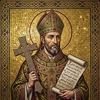
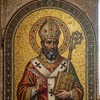
Saint Bruno the Great (Archbishop of Cologne)
Saint Bruno the Great (925–11 October 965) was Archbishop of Cologne, Duke of Lorraine, and imperial archchancellor under his brother Emperor Otto I.
 Source-linked Life
vol. III, p. 14
Saint Bruno of Segni
Saint Bruno of Segni (c. 1048–1123; canonized 1183; feast 18 July) was an Italian scriptural commentator, Bishop of Segni, and Abbot of Monte Cassino.
 Source-linked Life
vol. III, pp. 14–16
Saint Bruno (Founder of the Carthusian Order)
Saint Bruno (c. 1030–6 October 1101) was the German theologian, master of the cathedral school of Reims, and founder of the Carthusian Order.
 Source-linked Life
vol. III, p. 18
Saint Bruno of Querfurt (Brun and Boniface)
Saint Bruno of Querfurt (Brun or Boniface; c. 970–14 February 1009; feast 15 October) was a German missionary archbishop and martyr.
 Source-linked Life
vol. III, pp. 47–48
Venerable Thomas Bullaker (John Baptist)
Venerable Thomas Bullaker (in religion John Baptist; c. 1604–12 October 1642) was an English Franciscan priest and martyr born at Chichester.
 Source-linked Life
vol. III, p. 64
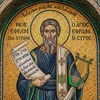
Saint Burchard of Würzburg
Saint Burchard of Würzburg (died c. 754; feast 14 October) was an Anglo-Saxon missionary and first Bishop of Würzburg in Franconia.
 Source-linked Life
vol. III, p. 86
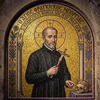
Venerable César de Bus
Venerable César de Bus (3 February 1544–15 April 1607; declared Venerable in 1821) was a French priest and catechist born at Cavaillon.
 Source-linked Life
vol. III, p. 92
Venerable Christopher Buxton
Venerable Christopher Buxton (martyred 1 October 1588) was an English seminary priest born in Derbyshire and ordained at Rome in 1586.
 Source-linked Life
vol. III, pp. 131–132
Saint Caedmon
Saint Caedmon (died between 670 and 680; feast 11 February) was an Anglo-Saxon Christian poet and monk of Whitby under Saint Hilda.
 Source-linked Life
vol. III, pp. 135–137
Saint Caesarius of Arles
Saint Caesarius of Arles (470/471–27 August 542) was a monk of Lérins, Archbishop of Arles from 502, and Vicar of the Apostolic See in Gaul.
 Source-linked Life
vol. III, p. 138
Saint Caesarius of Nazianzus
Saint Caesarius of Nazianzus (c. 330–368/369) was a Christian court physician at Constantinople and brother of Saint Gregory of Nazianzus.
 Source-linked Life
vol. III, pp. 144–145
Popes Saints Caius and Soter
Popes Saints Caius and Soter (commemorated together on 22 April) were Bishops of Rome in the second and third centuries.
 Source-linked Life
vol. III, p. 145
Saint Cajetan (Gaetano)
Saint Cajetan (Gaetano; October 1480–1547; canonized 1671; feast 7 August) was an Italian priest and founder of the Theatines.
 Source-linked Life
vol. III, pp. 183–185
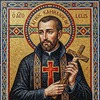
Pope Saint Callistus I
Pope Saint Callistus I (reigned c. 218–223; feast 14 October) was a Roman martyr and Bishop of Rome.
 Source-linked Life
vol. III, pp. 217–218
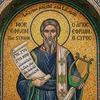
Saint Camillus de Lellis
Saint Camillus de Lellis (1550–14 July 1614; canonized 1746) was an Italian priest and hospital reformer in Rome.
 Source-linked Life
vol. III, p. 250
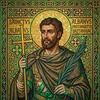
Saint Canice (Kenny)
Saint Canice (Kenny or Kenneth; 515/516–600; feast 11 October) was an Irish abbot and missionary in Ireland and Scotland.
 Source-linked Life
vol. III, p. 307
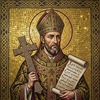
Saint Canute IV (Cnut)
Saint Canute IV (Cnut; martyred 10 July 1086; feast 19 January) was King of Denmark from about 1080 and a royal patron of the Church.
 Source-linked Life
vol. III, pp. 384–385
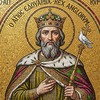
Saint Carthage (Mochuda)
Saint Carthage (Mochuda; c. 555–14 May 637) was an Irish abbot-bishop, monastic legislator, and first Bishop of Lismore.
 Source-linked Life
vol. III, p. 402
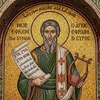
Saint Casimir
Saint Casimir (3 October 1458–4 March 1484; canonized 1522) was a Prince of Poland of the Jagiellonian dynasty and patron saint of Poland and Lithuania.
 Source-linked Life
vol. III, p. 442
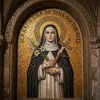
Venerable Edmund Catherick
Venerable Edmund Catherick (alias Huddleston; c. 1605–13 April 1642) was an English seminary priest and martyr educated and ordained at Douai College.
 Source-linked Life
vol. III, pp. 444–445
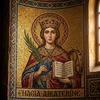
Saint Catherine de' Ricci
Saint Catherine de' Ricci (23 April 1522–2 February 1590; canonized 1746; feast 13 February) was a Florentine Dominican nun at Prato.
 Source-linked Life
vol. III, pp. 444–446
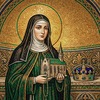
Saint Catherine of Alexandria
Saint Catherine of Alexandria was an early Christian virgin martyr venerated on 25 November in both the Latin and Eastern Churches.
 Source-linked Life
vol. III, p. 446
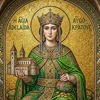
Saint Catherine of Bologna
Saint Catherine of Bologna (1413–1463) was an Italian Poor Clare abbess, manuscript illuminator, and mystical writer educated in youth at the court of Ferrara.
 Source-linked Life
vol. III, pp. 446–447
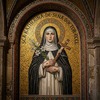
Saint Catherine of Genoa
Saint Catherine of Genoa (1447–1510), born Caterina Fieschi and married to Giuliano Adorno, was an Italian mystic and hospital director whose interior conversion in 1473 inaugurated thirty-seven years of contemplative union and charitable service.
 Source-linked Life
vol. III, pp. 447–448
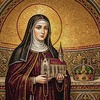
Saint Catherine of Siena
Saint Catherine of Siena (1347–1380) was an Italian Dominican Tertiary, mystic, and Tuscan writer who persuaded Pope Gregory XI to return from Avignon to Rome in 1377 and defended Pope Urban VI during the Western Schism.
 Source-linked Life
vol. III, pp. 448–449
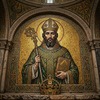
Saint Catherine of Sweden
Saint Catherine of Sweden (1331/1332–1381), also called Catherine Vastanensis, was the fourth child of Saint Bridget of Sweden and Ulf Gudmarsson and the first head of the Brigittine motherhouse at Vadstena.
 Source-linked Life
vol. III, pp. 470–471
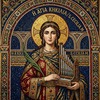
Saint Ceadda (Chad)
Saint Ceadda (died 672), commonly called Saint Chad, was a Northumbrian monk trained under Saint Aidan at Lindisfarne who served as Abbot of Lastingham, Bishop of York, and first Bishop of Lichfield among the Mercians.
 Source-linked Life
vol. III, pp. 471–473
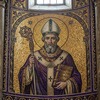
Saint Cecilia
Saint Cecilia was an early Roman virgin martyr of the patrician Gens Caecilia buried beside the Crypt of the Popes in the Catacomb of Callistus and venerated from the fourth century in her titular basilica in Trastevere.
 Source-linked Life
vol. III, p. 475
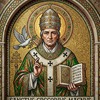
Saint Cedd (Cedda)
Saint Cedd (died 26 October 664), elder brother of Saint Ceadda, was a Northumbrian monk trained under Saint Aidan at Lindisfarne who evangelized the Middle Angles and served as missionary Bishop of the East Saxons.
 Source-linked Life
vol. III, pp. 477–478
Pope Saint Celestine I
Pope Saint Celestine I (reigned 422–432) was a Roman pontiff who defended Saint Augustine’s doctrine against the Pelagians and Semipelagians, condemned Nestorius at the Roman Synod of 430 and through the Council of Ephesus (431), and commissioned Saints Palladius and Patrick to evangelize Ireland.
 Source-linked Life
vol. III, pp. 479–481
Pope Saint Celestine V (Pietro di Murrone)
Pope Saint Celestine V (1215–1296), born Pietro di Murrone in Molise, was an Italian Benedictine hermit and founder of the Celestine congregation who was unanimously elected pope in July 1294 to end a twenty-seven-month papal vacancy.
 Source-linked Life
vol. III, pp. 536–537
Saint Ceolfrid
Saint Ceolfrid (642–716) was an Anglo-Saxon Benedictine monk, chief collaborator of Saint Benedict Biscop, and Abbot of the twin Northumbrian monasteries of Wearmouth and Jarrow.
 Source-linked Life
vol. III, p. 547
Saint Ceslaus
Saint Ceslaus (c. 1184–c. 1242) was a Polish Dominican missionary of the noble Odrowąż family who received the habit alongside Saint Hyacinth from Saint Dominic at Rome around 1218.
 Source-linked Life
vol. III, pp. 572–573
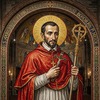
Blessed Pierre-Louis-Marie Chanel
Blessed Pierre-Louis-Marie Chanel (1803–1841) was a French priest of the Society of Mary (Marists) who evangelized the island of Futuna in Western Oceania and was clubbed to death at the instigation of King Niuliki’s prime minister Musumusu.
 Source-linked Life
vol. III, pp. 619–625
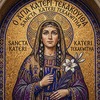
Saint Charles Borromeo
Saint Charles Borromeo (1538–1584) was Cardinal-Archbishop of Milan, Papal Secretary of State under his uncle Pope Pius IV, and a principal leader of the Catholic Counter-Reformation.
 Source-linked Life
vol. III, p. 724
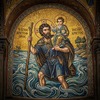
Blessed Christine of Stommeln
Blessed Christine of Stommeln (1242–1312), born to the peasant Heinrich Bruso at Stommeln near Cologne, was a German Beguine mystic and stigmatic whose spiritual friendship and correspondence with the Swedish Dominican Peter of Dacia were preserved at Jülich.
 Source-linked Life
vol. III, pp. 728–729
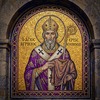
Saint Christopher
Saint Christopher (Greek Christophoros, “Christ-bearer”) was an early Christian martyr, probably of the third century, venerated across the East and West and counted among the Fourteen Holy Helpers.
 Source-linked Life
vol. III, pp. 729–730
Saint Chrodegang
Saint Chrodegang (died 6 March 766) was a Frankish nobleman, chancellor to Charles Martel and Pepin the Short, and Bishop of Metz who introduced the Roman liturgy and chant into his diocese and composed the thirty-four-chapter Rule for cathedral canons.
 Source-linked Life
vol. III, p. 730
Saint Chromatius
Saint Chromatius (died c. 406–407) was Bishop of Aquileia from around 387 or 388, a correspondent and literary patron of Saints Ambrose and Jerome and of Rufinus, and a defender of Saint John Chrysostom.
 Source-linked Life
vol. III, p. 742
Saints Chrysanthus and Daria
Saints Chrysanthus and Daria were early Roman martyrs buried in a sandpit sanctuary near the Catacomb of Thraso on the Via Salaria Nova and venerated at Rome from the fourth century.
 Source-linked Life
vol. III, pp. 742–743
Saint Chrysogonus
Saint Chrysogonus was a Christian martyr of Aquileia, probably executed under Emperor Diocletian, whose veneration was transplanted in the fourth century to the titular Basilica of San Crisogono in Trastevere at Rome.
The Catholic Encyclopedia, Volume IV: Cland–Diocesan
 Source-linked Life
vol. IV, pp. 4–8
Saint Clare of Assisi
Foundress of the Poor Clares at San Damiano in Assisi and lifelong follower of the Franciscan ideal of absolute evangelical poverty.
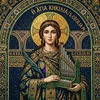 Source-linked Life
vol. IV, pp. 4–8
Saint Clare of Montefalco
Abbess of the monastery of Santa Croce at Montefalco, celebrated for her austerity, charity, and continual meditation on the Passion of Christ.
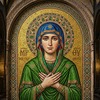 Source-linked Life
vol. IV, pp. 4–8
Blessed Clare of Rimini (Chiara Agolanti)
Penitent of Rimini who embraced the Third Order of Saint Francis, secured a convent at Rimini for exiled Poor Clares, and became superioress of Our Lady of the Angels.
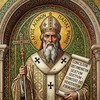 Source-linked Life
vol. IV, pp. 12–17
Pope Saint Clement I (Clemens Romanus)
Fourth Bishop of Rome after Saint Peter, Linus, and Cletus (r. c. 90–99), and author of the first-century Epistle of the Roman Church to the Corinthians.
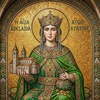 Source-linked Life
vol. IV, pp. 44–45
Saint Clement Mary Hofbauer (John Dvorák)
Second founder of the Redemptorist Congregation and 'Apostle of Vienna', who established the congregation north of the Alps through his mission in Warsaw (1786–1808) and twelve-year ministry in Vienna.
 Source-linked Life
vol. IV, pp. 47–48
Saint Clement of Ireland (Clemens Scotus)
Irish scholar (Clemens Scotus) who served as regent of the Paris school from 775 and succeeded Alcuin in 796 as rector of Charlemagne's Palace School.
 Source-linked Life
vol. IV, p. 59
Venerable Margaret Clitherow
English martyr of York ('the Pearl of York') who harboured missionary priests in the Shambles and suffered the peine forte et dure on Lady Day (Good Friday), 25 March 1586.
 Source-linked Life
vol. IV, pp. 114–115
Saints Colman
Collective biographical notice of eight prominent Irish saints named Colman, including the founders of Kilmacduagh, Cloyne, Mayo, Dromore, Muckamore, and the pilgrim martyr of Austria.
 Source-linked Life
vol. IV, p. 115
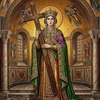
Venerable Walter Colman (Christopher of St. Clare)
English Franciscan friar known in religion as Christopher of Saint Clare and author of 'The Duel of Death', who died of starvation in Newgate Prison in 1645 after being condemned for his priesthood.
 Source-linked Life
vol. IV, p. 121
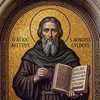
Blessed Colomba of Rieti
Umbrian Dominican tertiary and mystic admired by Duke Ercole I of Ferrara who founded the convent of Saint Catherine at Perugia and offered herself as a victim during the plague of 1494.
 Source-linked Life
vol. IV, p. 135
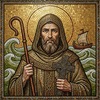
Saint Columba of Terryglass
Irish monk, son of Crinthainn and disciple of Saint Finnian of Clonard, who founded the monastery of Terryglass in 548 and died of the plague in 552.
 Source-linked Life
vol. IV, pp. 135–136
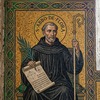
Saints Columba of Sens and Cordova
Two virgin martyrs bearing the name Columba: the third-century martyr of Sens beheaded under Aurelian and the ninth-century Spanish nun of Tabanos beheaded by the Moors at Cordova in 853.
 Source-linked Life
vol. IV, pp. 188–190
Saint Conal (Conall)
Fifth-century Irish bishop of Drum (Drumconnell) near Boyle in County Roscommon and uterine brother of Saint Attracta.
 Source-linked Life
vol. IV, pp. 188–190
Saint Conan (Mochonna)
Seventh-century Irish missionary bishop of the Isle of Man and Inis-Patrick, also called Mochonna.
 Source-linked Life
vol. IV, p. 258
Blessed Conrad of Ascoli
Franciscan missionary in Libya, theological lector at Rome and Paris, and lifelong friend of Pope Nicholas IV who died at Ascoli while traveling to Rome to be created cardinal.
 Source-linked Life
vol. IV, pp. 260–261
Blessed Conrad of Offida
Franciscan Spiritual friar and preacher who received the writings of Brother Leo, joined the Celestine hermitage in 1294, and submitted to Pope Boniface VIII upon its suppression.
 Source-linked Life
vol. IV, pp. 260–261
Saint Conrad of Piacenza
Nobleman of Piacenza who sold all his goods to repair a destructive brushfire caused during a hunt, saved an innocent man from execution, and lived for thirty years as a Franciscan tertiary hermit at Noto in Sicily.
 Source-linked Life
vol. IV, p. 356
Saint Corbinian
Frankish hermit of Châtres near Melun who was consecrated missionary bishop at Rome and established the Bavarian See of Freising under Dukes Grimoald and Hucbert.
 Source-linked Life
vol. IV, pp. 490–491
Saint Crispina
Wealthy North African Christian matron of Thagara who refused to sacrifice to the Roman gods before Proconsul Anulinus and was beheaded at Theveste on 5 December 304.
 Source-linked Life
vol. IV, p. 491
Blessed Crispin of Viterbo
Blessed Crispin of Viterbo (1668–1750) was an Italian Capuchin lay brother who served as cook and questor at Viterbo, Tolfa, Rome, and Albano.
 Source-linked Life
vol. IV, pp. 514–515
Saints Cronan
Saints Cronan is the name borne by nearly thirty Irish saints, notably Saint Cronan Mochua of Balla (died 637) and Saint Cronan of Roscrea (died 640).
 Source-linked Life
vol. IV, pp. 578–579
Saint Cuthbert
Saint Cuthbert (about 635–687) was a Northumbrian monk, prior of Melrose and Lindisfarne, hermit of Farne Island, and Bishop of Lindisfarne.
 Source-linked Life
vol. IV, p. 583
Saints Cyprian and Justina
Saints Cyprian and Justina (martyred 26 September 304) were Christians of Antioch who suffered at Nicomedia under Diocletian with Theoctistus.
 Source-linked Life
vol. IV, pp. 583–589
Saint Cyprian of Carthage
Saint Cyprian of Carthage (Thascius Caecilius Cyprianus; martyred 14 September 258) was Bishop of Carthage and the first great Latin Christian writer.
 Source-linked Life
vol. IV, p. 592
Saints Cyril and Methodius
Saints Cyril (827–869) and Methodius (826–885), the Apostles of the Slavs, were brothers from Thessalonica who evangelized the Khazars and Moravians.
 Source-linked Life
vol. IV, pp. 592–595
Saint Cyril of Alexandria
Saint Cyril of Alexandria (died 9 or 27 June 444) was Patriarch of Alexandria from 412 and a Doctor of the Church.
 Source-linked Life
vol. IV, p. 595
Saint Cyril of Constantinople
Saint Cyril of Constantinople (died about 1235) was a thirteenth-century prior of Mount Carmel venerated in the Carmelite Order as a prophet and doctor.
 Source-linked Life
vol. IV, pp. 595–596
Saint Cyril of Jerusalem
Saint Cyril of Jerusalem (born about 315; died probably 18 March 386) was Bishop of Jerusalem and a Doctor of the Church.
 Source-linked Life
vol. IV, p. 597
Saints Cyrus and John
Saints Cyrus and John (martyred 31 January under Diocletian) were an Alexandrian physician and a soldier honoured as unmercenary wonder-workers.
 Source-linked Life
vol. IV, pp. 613–614
Pope Saint Damasus I
Pope Saint Damasus I (born about 304; died 11 December 384) governed the Roman Church from October 366 to 384.
 Source-linked Life
vol. IV, p. 627
Saint Daniel and Companions
Saint Daniel and Companions (martyred 10 October 1227) were seven Franciscan Friars Minor who preached the Gospel at Ceuta in Morocco.
 Source-linked Life
vol. IV, p. 635
Saint Darerca
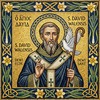
Saint Darerca of Ireland (commemorated 22 March) was a sister of Saint Patrick and the mother of numerous Irish saint-bishops and daughters.
 Source-linked Life
vol. IV, pp. 640–641
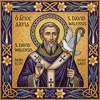
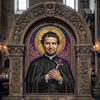
Saint David (Dewi)
Saint David (Dewi; died 601 according to the Annales Cambriae) was a sixth-century Welsh monastic founder, Bishop of Menevia, and patron saint of Wales.
 Source-linked Life
vol. IV, p. 646
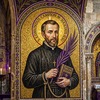
Venerable William Davies
Venerable William Davies (martyred 27 July 1593) was a Welsh seminary priest trained at Reims who ministered in Wales until his arrest at Holyhead in 1592.
 Source-linked Life
vol. IV, p. 660
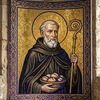
Venerable William Dean
Venerable William Dean (martyred 28 August 1588) was a Yorkshire-born seminary priest ordained at Soissons in 1581.
 Source-linked Life
vol. IV, pp. 678–679
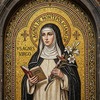
Saint Deicolus (Dichuil)
Saint Deicolus, or Dichuil (about 530–625), was an Irish monk of Bangor, elder brother of Saint Gall, and missionary companion of Saint Columbanus.
 Source-linked Life
vol. IV, p. 701
Blessed Delphine
Blessed Delphine (1284–1360) was a Provençal Franciscan tertiary who lived in a virginal marriage with Saint Elzéar, Count of Sabran.
 Source-linked Life
vol. IV, pp. 706–707
Saint Demetrius of Alexandria
Saint Demetrius of Alexandria (Bishop from 188 to 231) was the eleventh bishop after Saint Mark and the first Alexandrian prelate of known history.
 Source-linked Life
vol. IV, p. 721
Saint Denis (Dionysius of Paris)
Saint Denis (Dionysius of Paris; martyred about 275) was an Italian missionary bishop sent to Gaul by Pope Saint Fabian after the Decian persecution.
 Source-linked Life
vol. IV, p. 751
Saint Desiderius of Cahors
Saint Desiderius of Cahors (died 15 November 655) was a Frankish royal treasurer under Chlotar II and Dagobert I who became Bishop of Cahors in 630.
 Source-linked Life
vol. IV, p. 760
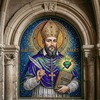
Pope Saint Deusdedit (Adeodatus I)
Pope Saint Deusdedit, or Adeodatus I (reigned 615–618), governed the Roman See for three years with notable charity and zeal.
 Source-linked Life
vol. IV, p. 760
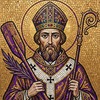
Saint Deusdedit of Canterbury (Frithona)
Saint Deusdedit of Canterbury (died 14 July 664), born Frithona in Wessex, was the sixth Archbishop of Canterbury and the first Anglo-Saxon primate.
 Source-linked Life
vol. IV, p. 775
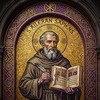
Saint Diarmaid
Saint Diarmaid is the name of two Irish saints: Saint Diarmaid, Archbishop of Armagh (834–851 or 852), and Saint Diarmaid the Just (died 542).
 Source-linked Life
vol. IV, p. 778
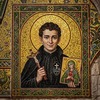
Saint Dichu
Saint Dichu (commemorated 29 April) was the petty king of Lecale in Ulster and the first convert of Saint Patrick in Ireland in 432.
 Source-linked Life
vol. IV, p. 781
Saint Didacus (Diego of Alcalá)
Saint Didacus, or Diego of Alcalá (died 12 November 1463), was a Spanish Franciscan lay brother from San Nicolás del Puerto.
 Source-linked Life
vol. IV, pp. 797–798
Venerable Sir Thomas Dingley
Venerable Sir Thomas Dingley (beheaded 9 or 10 July 1539) was a prior of the Knights of Saint John of Jerusalem in England.
 Source-linked Life
vol. IV, p. 798
Saint Dinooth (Dunawd)
Saint Dinooth, or Dunawd (flourished 500–542), was a North British chieftain who founded and governed the Welsh monastery of Bangor Iscoed on the Dee.
The Catholic Encyclopedia, Volume V: Diocese–Fathers
 Source-linked Life
vol. V, pp. 597–598
Saint Eugendus (Oyand)
Fourth Abbot of Condat in the French Jura (c. 449–510) who rebuilt the monastery in stone and introduced the common life.
 Source-linked Life
vol. V, pp. 597–598
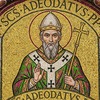
Pope Saint Eugene I
Seventh-century Roman pontiff (r. 654–657) elected during the exile of Pope Martin I who resisted Byzantine Monothelite compromise.
 Source-linked Life
vol. V, pp. 599–601
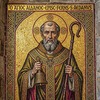
Blessed Pope Eugene III (Bernardo Pignatelli)
Cistercian Abbot of Tre Fontane and disciple of Saint Bernard who reigned as Pope from 1145 to 1153.
 Source-linked Life
vol. V, pp. 602–603
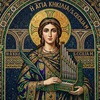
Saint Eugenius of Carthage
Bishop of Carthage from 480 to 505 who defended Nicene orthodoxy under the Arian Vandal kings Huneric and Thrasamund.
 Source-linked Life
vol. V, p. 603
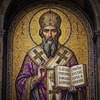
Saint Eulalia of Barcelona
Spanish martyr at Barcelona under Diocletian (12 February 304) and patron of Barcelona and of sailors.
 Source-linked Life
vol. V, pp. 603–604
Saint Eulogius of Alexandria
Patriarch of Alexandria from 580 to 607 who defended Roman primacy and Chalcedonian Christology in correspondence with Pope Gregory the Great.
 Source-linked Life
vol. V, p. 604
Saint Eulogius of Cordova
Ninth-century Spanish priest, writer, and Archbishop-elect of Toledo martyred at Cordova on 11 March 859.
 Source-linked Life
vol. V, p. 606
Saint Euphrasia (Eupraxia)
Constantinopolitan noblewoman and virgin (380–after 410) who entered an Egyptian convent at age seven and gave her fortune to charity.
 Source-linked Life
vol. V, pp. 606–607
Saint Euphrosyne
Fifth-century Alexandrian virgin (d. c. 470) who lived for thirty-eight years in a monastery near Alexandria under the name Smaragdus.
 Source-linked Life
vol. V, p. 614
Saint Eusebius of Vercelli
Fourth-century Bishop of Vercelli (c. 283–371) who united clerical and monastic life and suffered exile for defending Nicene orthodoxy.
 Source-linked Life
vol. V, pp. 614–615
Saint Eusebius of Samosata
Fourth-century Bishop of Samosata (d. 379/380) who defended Nicene orthodoxy across the East and was killed at Dolicha.
 Source-linked Life
vol. V, p. 615
Saint Eusebius, Presbyter at Rome
Fourth-century Roman patrician and presbyter (d. 357?) venerated on 14 August at the titular church of Sant'Eusebio on the Esquiline.
 Source-linked Life
vol. V, pp. 616–617
Pope Saint Eusebius
Early fourth-century Roman pontiff (r. 309 or 310) banished to Sicily by Maxentius during the Roman conflict over the reconciliation of the lapsi.
 Source-linked Life
vol. V, p. 623
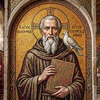
Saint Eusebius of Laodicea
Third-century Alexandrian deacon and confessor who became Bishop of Laodicea in Syria (d. c. 268).
 Source-linked Life
vol. V, p. 626
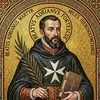
Saint Eustace of Luxeuil (Eustasius)
Second Abbot of Luxeuil (d. 29 March 625), disciple of Saint Columbanus, and missionary to north-eastern Gaul and Bavaria.
 Source-linked Life
vol. V, p. 627
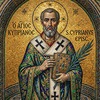
Saint Eustachius and Companions
Roman general Placidus (baptized Eustachius) and his family, venerated as martyrs under Hadrian in 118 and among the Fourteen Holy Helpers.
 Source-linked Life
vol. V, pp. 627–628
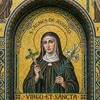
Saint Eustathius of Antioch
Patriarch of Antioch (c. 270–c. 360) and champion of the Council of Nicaea who was exiled to Thrace in 331 through Arian intrigue.
 Source-linked Life
vol. V, p. 629
Saint Eustochium Julia
Roman noble virgin (c. 368–419/420), daughter of Saint Paula and disciple of Saint Jerome, who directed the convents at Bethlehem.
 Source-linked Life
vol. V, p. 630
Saint Euthymius the Great
Palestinian abbot (377–473) who founded the Laura of Euthymius near Jerusalem and championed the Council of Chalcedon among Eastern monks.
 Source-linked Life
vol. V, p. 638
Pope Saint Eutychianus
Third-century Roman pontiff (r. 275–283) buried in the Papal Crypt of the Catacomb of Callistus.
 Source-linked Life
vol. V, p. 646
Pope Saint Evaristus
Early second-century Bishop of Rome (r. c. 99–c. 107) listed by Saint Irenaeus as the fourth successor of Saint Peter.
 Source-linked Life
vol. V, p. 672
Saints Ewald (Hewald)
Two Northumbrian missionary priests, Ewald the Black and Ewald the Fair, martyred in Old Saxony around 695 and venerated as patrons of Westphalia.
 Source-linked Life
vol. V, p. 731
Saint Exuperius (Exsuperius)
Early fifth-century Bishop of Toulouse (d. after 410) who received Pope Innocent I's decretal Consulenti tibi (405) on the Canon of Scripture.
 Source-linked Life
vol. V, p. 735
Venerable Pierre-Julien Eymard
French priest (1811–1868) who founded the Society of the Blessed Sacrament and the Servants of the Blessed Sacrament and was declared Venerable in 1908.
 Source-linked Life
vol. V, pp. 742–743
Pope Saint Fabian
Roman pontiff (r. 236–250) elected when a dove alighted on his head, who organized Rome's seven ecclesiastical districts and died as a martyr under Decius.
 Source-linked Life
vol. V, p. 743
Saint Fabiola
Roman patrician matron (d. 399/400) and disciple of Saint Jerome who performed public penance at the Lateran and founded hospitals at Rome and Porto.
 Source-linked Life
vol. V, pp. 765–766
Saints Faith, Hope, and Charity
Two ancient groups of Roman women martyrs bearing the Greek and Latin names of Wisdom, Faith, Hope, and Charity, buried on the Aurelian and Appian Ways.
The Catholic Encyclopedia, Volume VI: Fathers–Gregory
 Source-linked Life
vol. VI, p. 19
Saints Faustinus and Jovita
Second-century brother martyrs of Brescia, priest and deacon, who suffered under Emperor Hadrian and are venerated on 15 February as patrons of Brescia.
 Source-linked Life
vol. VI, pp. 28–29
Saint Felicitas and Seven Sons
Second-century Roman matron and martyr buried in the Catacomb of Maximus on the Via Salaria and venerated with her seven martyred sons.
 Source-linked Life
vol. VI, p. 29
Saints Felicitas and Perpetua
North African martyrs executed at Carthage on 7 March 203 under Septimius Severus whose prison narrative and visions were written by Perpetua and Saturus.
 Source-linked Life
vol. VI, pp. 29–30
Pope Saint Felix I
Third-century Roman pontiff (r. 269–274) who received the synodal report deposing Paul of Samosata and was buried in the Catacomb of Callistus.
 Source-linked Life
vol. VI, pp. 30–31
Pope Saint Felix III (II)
Fifth-century Roman pontiff (r. 483–492) who excommunicated Patriarch Acacius of Constantinople over the Henoticon and regulated the reconciliation of African lapsi.
 Source-linked Life
vol. VI, p. 31
Pope Saint Felix IV (III)
Sixth-century Roman pontiff (r. 526–530) who founded the Basilica of Saints Cosmas and Damian on the Forum and supplied the canons of the Synod of Orange (529).
 Source-linked Life
vol. VI, pp. 32–33
Saints Felix and Adauctus
Roman martyrs of 303 under Diocletian and Maximian buried in the Cemetery of Commodilla on the Via Ostiensis and commemorated on 30 August.
 Source-linked Life
vol. VI, p. 33
Saint Felix of Cantalice
Sixteenth-century Capuchin lay brother (d. 1587) who served for forty years as alms questor in Rome and friend of Saint Philip Neri.
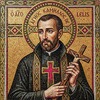 Source-linked Life
vol. VI, p. 33
Saint Felix of Nola
Third-century priest and confessor of Nola near Naples who suffered under Decius in 250 and was celebrated in the poems of Saint Paulinus of Nola.
 Source-linked Life
vol. VI, pp. 33–34
Saint Felix of Valois
French hermit (1127–1212) who co-founded with Saint John of Matha the Order of the Holy Trinity for the Redemption of Captives.
 Source-linked Life
vol. VI, p. 39
Venerable James Fenn
English martyr from Montacute in Somersetshire, brother of the confessor Robert Fenn and of the exiled priest and martyrologist John Fenn (d. 1615).
 Source-linked Life
vol. VI, pp. 39–40
Blessed Ferdinand of Portugal
Portuguese prince and Grand Master of Aviz (1402–1443) who gave himself as a hostage after the siege of Tangiers in 1437 and died in captivity at Fez.
 Source-linked Life
vol. VI, p. 42
Saint Ferdinand III of Castile
King of Castile and León (1198–1252) and Franciscan tertiary who founded the University of Salamanca and reconquered Córdoba and Seville.
 Source-linked Life
vol. VI, pp. 42–43
Saints Fergus
Group of early Irish saints and bishops named Fergus, including the eighth-century missionary to Scotland Fergus the Pict and the Bishops of Downpatrick and Duleek.
 Source-linked Life
vol. VI, pp. 66–67
Saint Fiacc of Sletty
Fifth-century Irish poet, abbot, and chief bishop of Leinster at Sletty (c. 415–520) consecrated by Saint Patrick and reputed author of Fiacc's Hymn.
 Source-linked Life
vol. VI, pp. 67–68
Saint Fiacre
Seventh-century Irish priest and abbot at Breuil in the Diocese of Meaux (d. 670), healer and patron saint of gardeners.
 Source-linked Life
vol. VI, pp. 69–70
Saint Fidelis of Sigmaringen
Capuchin priest, lawyer, and missionary (1577–1622) who was martyred by Calvinists at Sevis in the Grisons as the first martyr of Propaganda Fide.
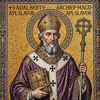 Source-linked Life
vol. VI, pp. 76–77
Saint Finbarr (Barr, Lochan)
Sixth- and seventh-century Irish bishop (c. 550–623), hermit of Gougane Barra, and founder and patron of the See of Cork.
 Source-linked Life
vol. VI, pp. 76–77
Venerable John Finch
English layman and catechist of Eccleston, Lancashire (c. 1548–1584), who harbored missionary priests and was martyred at Lancaster with Venerable James Bell.
 Source-linked Life
vol. VI, pp. 76–77
Venerable John Finglow
English seminary priest from Barnby, Yorkshire (d. 1586), ordained at Reims in 1581 and martyred at York for his priestly ministry.
 Source-linked Life
vol. VI, pp. 76–77
Saint Finnian of Moville
Sixth-century Irish abbot and scholar (c. 495–589) who founded the school of Moville, brought Jerome's Vulgate from Rome in 540, and taught Saint Columba.
 Source-linked Life
vol. VI, p. 78
Saint Fintan of Clonenagh
Sixth-century Leinster abbot (c. 524–594) who founded the Abbey of Clonenagh in 550, taught Saint Comgall of Bangor, and was styled Father of the Irish Monks.
 Source-linked Life
vol. VI, p. 78
Saint Fintan (Munnu) of Taghmon
Seventh-century Ulster abbot (d. 636) who founded the Abbey of Taghmon in 599 and defended the Celtic Easter computation at Magh Lene and Magh Ailbe.
 Source-linked Life
vol. VI, p. 98
Venerable Matthew Flathers (Major)
English seminary priest from Weston, Yorkshire (c. 1580–1607), who returned from banishment to minister in Yorkshire and was martyred at York.
 Source-linked Life
vol. VI, pp. 98–99
Saint Flavian of Constantinople
Archbishop of Constantinople (d. 449) who condemned Eutyches in 448, received Pope Leo I's Tome, and died from mistreatment at the Robber Council of Ephesus.
 Source-linked Life
vol. VI, p. 114
Saint Florentina
Visigothic Spanish virgin (d. c. 612), sister of Saints Leander, Fulgentius, and Isidore of Seville, and patroness of the Diocese of Plasencia.
 Source-linked Life
vol. VI, p. 348
Saint Galla of Rome
Sixth-century Roman patrician widow, daughter of the younger Symmachus, who entered religious life at a convent and hospital she founded near Saint Peter's.
 Source-linked Life
vol. VI, pp. 365–366
Saints Gallicanus
Collective entry for three saints commemorated on 25 June: the fourth-century Roman consul and martyr Gallicanus in Egypt, and Bishops Gallicanus I and Gallicanus II of Embrun.
 Source-linked Life
vol. VI, pp. 378–379
Venerable Anne Garcia (Anne of Saint Bartholomew)
Discalced Carmelite lay sister, companion and secretary of Saint Teresa of Ávila, who introduced the Carmelite reform into France and founded the convent of Antwerp.
 Source-linked Life
vol. VI, p. 379
Saint Gonsalo Garcia
Franciscan lay brother born at Bassein in East India who served as catechist and interpreter in Japan and suffered crucifixion at Nagasaki in 1597.
 Source-linked Life
vol. VI, pp. 385–386
Venerable Nicholas Garlick
English schoolmaster and seminary priest of Reims martyred at Derby on 24 July 1588 alongside Fathers Robert Ludlam and Robert Sympson.
 Source-linked Life
vol. VI, p. 388
Venerable Thomas Garnet
English Jesuit priest and protomartyr of Saint Omer's College (Stonyhurst), executed at Tyburn on 23 June 1608 after refusing King James I's Oath of Allegiance.
 Source-linked Life
vol. VI, pp. 390–391
Blessed Gaspare del Bufalo
Roman priest and popular missionary who suffered exile under Napoleon, founded the Missionaries of the Most Precious Blood in 1815, and died tending cholera victims in 1837.
 Source-linked Life
vol. VI, pp. 392–393
Saint Gatianus of Tours
Third-century missionary sent from Rome around 250 who founded the See of Tours and governed it for fifty years until his death in 301.
 Source-linked Life
vol. VI, pp. 393–394
Saint Gaudentius of Brescia
Bishop of Brescia (c. 387–c. 410), patristic homilist, and papal envoy sent in 405 to defend Saint John Chrysostom before Emperor Arcadius.
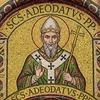 Source-linked Life
vol. VI, pp. 406–407
Pope Saint Gelasius I
Pope from 492 to 496 who articulated the doctrine of the two powers to Emperor Anastasius, upheld Roman primacy in the Acacian schism, and suppressed the pagan Lupercalia.
 Source-linked Life
vol. VI, pp. 413–415
Saint Genevieve of Paris
Consecrated virgin and patroness of Paris (c. 422–512) who rallied the city during Attila's invasion in 451 and relieved its famine during the Frankish siege.
 Source-linked Life
vol. VI, p. 416
Saint Gennadius I of Constantinople
Patriarch of Constantinople (458–471), Antiochene scriptural exegete, and reformer who held the 459 council against simony.
 Source-linked Life
vol. VI, pp. 453–455
Saint George
Early Christian soldier-martyr venerated at Lydda (Diospolis) in Palestine before the age of Constantine and honoured on 23 April as Patron of England.
 Source-linked Life
vol. VI, pp. 464–465
Saint Gerald of Mayo
Northumbrian monk who followed Saint Colman to Ireland after the Synod of Whitby in 664 and became first Abbot and Bishop of 'Mayo of the Saxons' until 731.
 Source-linked Life
vol. VI, pp. 464–466
Saint Gerard of Brogne
Tenth-century Belgian Benedictine abbot who founded the Abbey of Brogne and reformed nineteen monasteries across Flanders, Hainault, and Normandy.
 Source-linked Life
vol. VI, p. 466
Saint Gerard of Toul
Bishop of Toul from 963 to 994 who rebuilt his cathedral, welcomed Greek and Irish monks, and secured imperial confirmation of Toul's temporal suzerainty.
 Source-linked Life
vol. VI, p. 467
Venerable Miles Gerard (William Richardson)
Lancashire schoolmaster and Reims seminary professor (using the alias William Richardson) martyred at Rochester in April 1590 with Father Francis Dicconson.
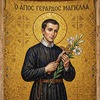 Source-linked Life
vol. VI, pp. 467–469
Saint Gerard Majella
Eighteenth-century Redemptorist lay brother (1726–1755) famed as a model of heroic obedience, 'Father of the Poor,' and wonderworker in southern Italy.
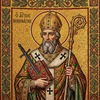 Source-linked Life
vol. VI, pp. 472–473
Saint Germain (Germanus) of Auxerre
Fifth-century Gallo-Roman duke who became Bishop of Auxerre in 418, combated Pelagianism in Britain in 429 and 447, and died at Ravenna on 31 July 448.
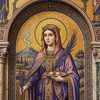 Source-linked Life
vol. VI, pp. 473–474
Saint Germain (Germanus) of Paris
Sixth-century Abbot of Saint-Symphorien at Autun and Bishop of Paris (555–576) who counselled Merovingian kings and dedicated the basilica that became Saint-Germain-des-Prés.
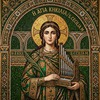 Source-linked Life
vol. VI, p. 474
Saint Germaine Cousin
Sixteenth-century French shepherdess of Pibrac near Toulouse (1579–1601) who bore deformity, disease, and stepmotherly abuse with heroic charity and prayer.
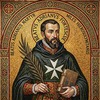 Source-linked Life
vol. VI, pp. 474–475
Blessed German Gardiner
Lay secretary and kinsman to Bishop Stephen Gardiner, executed at Tyburn on 7 March 1544 as the last Catholic martyr for papal supremacy under Henry VIII.
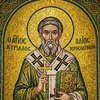 Source-linked Life
vol. VI, p. 484
Saint Germanus I of Constantinople
Patriarch of Constantinople (715–730) who restored Chalcedonian orthodoxy after Philippicus and resigned his see rather than sign Emperor Leo III's iconoclast decree.
 Source-linked Life
vol. VI, p. 533
Blessed Gertrude of Aldenberg
Premonstratensian Abbess of Aldenberg near Wetzlar (c. 1227–1297) and youngest daughter of Landgrave Louis IV of Thuringia and Saint Elizabeth of Hungary.
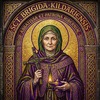 Source-linked Life
vol. VI, pp. 533–534
Saint Gertrude of Nivelles
Seventh-century Benedictine first Abbess of Nivelles (626–659), daughter of Pepin of Landen and Saint Itta, and patroness of travellers in the Low Countries.
 Source-linked Life
vol. VI, pp. 534–535
Saint Gertrude the Great
Thirteenth-century German Benedictine mystic of Helfta (1256–1301/1302), theologian of the Sacred Heart, and author of the Spiritual Exercises and Book II of the Legatus Divinae Pietatis.
 Source-linked Life
vol. VI, p. 535
Venerable Gertrude van der Oosten
Dutch Beguine of Delft (d. 6 January 1358) renowned for contemplation, the gift of prophecy, and the stigmata.
 Source-linked Life
vol. VI, p. 536
Venerable George Gervase (Jervis)
English priest, Benedictine, and martyr (1571–1608) executed at Tyburn under the statute of 27 Elizabeth after refusing the new oath of allegiance.
 Source-linked Life
vol. VI, p. 537
Saints Gervasius and Protasius
Early Christian twin martyrs of Milan whose relics were discovered by Saint Ambrose in 386 and enshrined in the Basilica of Sant'Ambrogio Maggiore.
 Source-linked Life
vol. VI, pp. 537–538
Saint Géry (Gaugericus)
Merovingian Bishop of Cambrai-Arras (consecrated 585–587; d. 11 August 623–626) who uprooted paganism, ransomed captives, and founded the monastery of Saint-Médard at Cambrai.
 Source-linked Life
vol. VI, p. 547
Saint Ghislain
Seventh-century Belgian anchorite and monastic founder at Ursidongus (Saint-Ghislain) and spiritual counsellor to Saint Waudru of Mons and Saint Aldegonde of Maubeuge.
 Source-linked Life
vol. VI, p. 557
Saint Gilbert of Sempringham
English priest and founder of the Gilbertine Order at Sempringham (1131) who governed his double monasteries until extreme old age and was canonized by Pope Innocent III in 1201.
 Source-linked Life
vol. VI, pp. 557–558
Saint Gildas the Wise
Sixth-century British monk, missionary in Ireland and Scotland, founder of the Abbey of Rhuys in Brittany, and author of De excidio Britanniae.
 Source-linked Life
vol. VI, pp. 559–560
Saint Giles (Aegidius)
Hermit and Benedictine abbot near Nîmes (d. early 8th century) whose shrine at Saint-Gilles became one of the great pilgrimage centres of medieval Europe.
 Source-linked Life
vol. VI, p. 561
Blessed Gil of Santarém (Giles of Portugal)
Portuguese physician and Dominican friar (c. 1185–1265) who repented of his worldly life, entered the Order of Preachers about 1221, and twice governed the Spanish province.
 Source-linked Life
vol. VI, pp. 573–574
Blessed Giuseppe Maria Tommasi
Sicilian Theatine priest, liturgical scholar, and Cardinal of San Martino ai Monti (1649–1713), beatified by Pope Pius VII on 5 June 1803.
 Source-linked Life
vol. VI, p. 606
Saint Goar
Seventh-century Aquitanian priest and anchorite near Oberwesel on the Rhine (c. 585–649) after whom the town of Sankt Goar is named.
 Source-linked Life
vol. VI, pp. 620–622
Saint Godard (Godehard, Gotthard)
Bavarian Benedictine abbot and monastic reformer who succeeded Saint Bernward as Bishop of Hildesheim (1022–1038) and was canonized in 1131.
 Source-linked Life
vol. VI, p. 623
Saint Godeberta
Frankish virgin and abbess at Noyon (c. 640–early 8th century) who received the veil from Saint Eligius in the presence of King Clovis II.
 Source-linked Life
vol. VI, pp. 623–624
Saint Godelina (Godeliva)
Eleventh-century Flemish noblewoman and martyr of Christian marriage (c. 1049–1070) whose patience and post-mortem miracle converted her husband Bertolf of Ghistelles.
 Source-linked Life
vol. VI, pp. 633–634
Saints Gondulphus (Gundulfus)
Three bishops honoured under the name Gondulphus (Gundulfus): the ninth-century Bishop of Metz (d. 823), the early seventh-century Bishop of Tongres-Maastricht, and Saint Gondon of Berry.
 Source-linked Life
vol. VI, p. 647
Venerable John Goodman
Welsh-born convert and secular priest (1590–1642) who offered to be executed when King Charles I's reprieve provoked Parliament and died of hardships in Newgate Prison on Good Friday 1642.
 Source-linked Life
vol. VI, p. 649
Saints Gordianus and Epimachus
Early Christian martyrs jointly honoured on 10 May in the Roman cemetery named after them on the Via Latina.
 Source-linked Life
vol. VI, p. 651
Saint Gorgonius
High court official of Emperor Diocletian martyred at Nicomedia in 304 and commemorated on 9 September.
 Source-linked Life
vol. VI, pp. 681–682
Saint Gottschalk (Godescalcus)
Prince of the Wends (d. 7 June 1066) who organized the Slavic tribes into a Christian realm, founded dioceses and monasteries, and died a martyr in a pagan uprising at Lenzen.
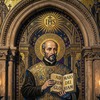 Source-linked Life
vol. VI, pp. 775–776
Venerable Hugh Green
English convert and secular priest (c. 1584–1642), chaplain at Chideock Castle in Dorsetshire, martyred with prolonged cruelty on 19 August 1642.
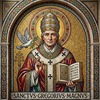 Source-linked Life
vol. VI, pp. 780–787
Pope Saint Gregory I (the Great)
Roman patrician, monk, and sixty-fourth Pope (590–604), Doctor of the Church, author of the Regula Pastoralis, Moralia, and Dialogues, and Apostle of the English.
 Source-linked Life
vol. VI, pp. 787–789
Pope Saint Gregory II
Roman Pope (715–731) who commissioned Saint Boniface to evangelize Germany, restored Monte Cassino, and resisted the Iconoclast edicts of Emperor Leo III.
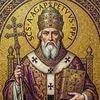 Source-linked Life
vol. VI, p. 789
Pope Saint Gregory III
Syrian-born Pope (731–741) who defended sacred images against Emperor Leo III, granted pallia to York and Canterbury, supported Saint Boniface, and appealed to Charles Martel against the Lombards.
 Source-linked Life
vol. VI, pp. 791–795
Pope Saint Gregory VII (Hildebrand)
Tuscan Benedictine monk, Archdeacon of the Roman Church, and Pope (1073–1085) who led the Gregorian Reform against simony, clerical incontinence, and lay investiture.