
The Catholic Encyclopedia
The Catholic Encyclopedia, Volume VI: Fathers–Gregory
76 entries available in this volume.
 Source-linked Life
vol. VI, p. 19
Saints Faustinus and Jovita
Second-century brother martyrs of Brescia, priest and deacon, who suffered under Emperor Hadrian and are venerated on 15 February as patrons of Brescia.
 Source-linked Life
vol. VI, pp. 28–29
Saint Felicitas and Seven Sons
Second-century Roman matron and martyr buried in the Catacomb of Maximus on the Via Salaria and venerated with her seven martyred sons.
 Source-linked Life
vol. VI, p. 29
Saints Felicitas and Perpetua
North African martyrs executed at Carthage on 7 March 203 under Septimius Severus whose prison narrative and visions were written by Perpetua and Saturus.
 Source-linked Life
vol. VI, pp. 29–30
Pope Saint Felix I
Third-century Roman pontiff (r. 269–274) who received the synodal report deposing Paul of Samosata and was buried in the Catacomb of Callistus.
 Source-linked Life
vol. VI, pp. 30–31
Pope Saint Felix III (II)
Fifth-century Roman pontiff (r. 483–492) who excommunicated Patriarch Acacius of Constantinople over the Henoticon and regulated the reconciliation of African lapsi.
 Source-linked Life
vol. VI, p. 31
Pope Saint Felix IV (III)
Sixth-century Roman pontiff (r. 526–530) who founded the Basilica of Saints Cosmas and Damian on the Forum and supplied the canons of the Synod of Orange (529).
 Source-linked Life
vol. VI, pp. 32–33
Saints Felix and Adauctus
Roman martyrs of 303 under Diocletian and Maximian buried in the Cemetery of Commodilla on the Via Ostiensis and commemorated on 30 August.
 Source-linked Life
vol. VI, p. 33
Saint Felix of Cantalice
Sixteenth-century Capuchin lay brother (d. 1587) who served for forty years as alms questor in Rome and friend of Saint Philip Neri.
 Source-linked Life
vol. VI, p. 33
Saint Felix of Nola
Third-century priest and confessor of Nola near Naples who suffered under Decius in 250 and was celebrated in the poems of Saint Paulinus of Nola.
 Source-linked Life
vol. VI, pp. 33–34
Saint Felix of Valois
French hermit (1127–1212) who co-founded with Saint John of Matha the Order of the Holy Trinity for the Redemption of Captives.
 Source-linked Life
vol. VI, p. 39
Venerable James Fenn
English martyr from Montacute in Somersetshire, brother of the confessor Robert Fenn and of the exiled priest and martyrologist John Fenn (d. 1615).
 Source-linked Life
vol. VI, pp. 39–40
Blessed Ferdinand of Portugal
Portuguese prince and Grand Master of Aviz (1402–1443) who gave himself as a hostage after the siege of Tangiers in 1437 and died in captivity at Fez.
 Source-linked Life
vol. VI, p. 42
Saint Ferdinand III of Castile
King of Castile and León (1198–1252) and Franciscan tertiary who founded the University of Salamanca and reconquered Córdoba and Seville.
 Source-linked Life
vol. VI, pp. 42–43
Saints Fergus
Group of early Irish saints and bishops named Fergus, including the eighth-century missionary to Scotland Fergus the Pict and the Bishops of Downpatrick and Duleek.
 Source-linked Life
vol. VI, pp. 66–67
Saint Fiacc of Sletty
Fifth-century Irish poet, abbot, and chief bishop of Leinster at Sletty (c. 415–520) consecrated by Saint Patrick and reputed author of Fiacc's Hymn.
 Source-linked Life
vol. VI, pp. 67–68
Saint Fiacre
Seventh-century Irish priest and abbot at Breuil in the Diocese of Meaux (d. 670), healer and patron saint of gardeners.
 Source-linked Life
vol. VI, pp. 69–70
Saint Fidelis of Sigmaringen
Capuchin priest, lawyer, and missionary (1577–1622) who was martyred by Calvinists at Sevis in the Grisons as the first martyr of Propaganda Fide.
 Source-linked Life
vol. VI, pp. 76–77
Saint Finbarr (Barr, Lochan)
Sixth- and seventh-century Irish bishop (c. 550–623), hermit of Gougane Barra, and founder and patron of the See of Cork.
 Source-linked Life
vol. VI, pp. 76–77
Venerable John Finch
English layman and catechist of Eccleston, Lancashire (c. 1548–1584), who harbored missionary priests and was martyred at Lancaster with Venerable James Bell.
 Source-linked Life
vol. VI, pp. 76–77
Venerable John Finglow
English seminary priest from Barnby, Yorkshire (d. 1586), ordained at Reims in 1581 and martyred at York for his priestly ministry.
 Source-linked Life
vol. VI, pp. 76–77
Saint Finnian of Moville
Sixth-century Irish abbot and scholar (c. 495–589) who founded the school of Moville, brought Jerome's Vulgate from Rome in 540, and taught Saint Columba.
 Source-linked Life
vol. VI, p. 78
Saint Fintan of Clonenagh
Sixth-century Leinster abbot (c. 524–594) who founded the Abbey of Clonenagh in 550, taught Saint Comgall of Bangor, and was styled Father of the Irish Monks.
 Source-linked Life
vol. VI, p. 78
Saint Fintan (Munnu) of Taghmon
Seventh-century Ulster abbot (d. 636) who founded the Abbey of Taghmon in 599 and defended the Celtic Easter computation at Magh Lene and Magh Ailbe.
 Source-linked Life
vol. VI, p. 98
Venerable Matthew Flathers (Major)
English seminary priest from Weston, Yorkshire (c. 1580–1607), who returned from banishment to minister in Yorkshire and was martyred at York.
 Source-linked Life
vol. VI, pp. 98–99
Saint Flavian of Constantinople
Archbishop of Constantinople (d. 449) who condemned Eutyches in 448, received Pope Leo I's Tome, and died from mistreatment at the Robber Council of Ephesus.
 Source-linked Life
vol. VI, p. 114
Saint Florentina
Visigothic Spanish virgin (d. c. 612), sister of Saints Leander, Fulgentius, and Isidore of Seville, and patroness of the Diocese of Plasencia.
 Source-linked Life
vol. VI, p. 348
Saint Galla of Rome
Sixth-century Roman patrician widow, daughter of the younger Symmachus, who entered religious life at a convent and hospital she founded near Saint Peter's.
 Source-linked Life
vol. VI, pp. 365–366
Saints Gallicanus
Collective entry for three saints commemorated on 25 June: the fourth-century Roman consul and martyr Gallicanus in Egypt, and Bishops Gallicanus I and Gallicanus II of Embrun.
 Source-linked Life
vol. VI, pp. 378–379
Venerable Anne Garcia (Anne of Saint Bartholomew)
Discalced Carmelite lay sister, companion and secretary of Saint Teresa of Ávila, who introduced the Carmelite reform into France and founded the convent of Antwerp.
 Source-linked Life
vol. VI, p. 379
Saint Gonsalo Garcia
Franciscan lay brother born at Bassein in East India who served as catechist and interpreter in Japan and suffered crucifixion at Nagasaki in 1597.
 Source-linked Life
vol. VI, pp. 385–386
Venerable Nicholas Garlick
English schoolmaster and seminary priest of Reims martyred at Derby on 24 July 1588 alongside Fathers Robert Ludlam and Robert Sympson.
 Source-linked Life
vol. VI, p. 388
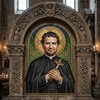
Venerable Thomas Garnet
English Jesuit priest and protomartyr of Saint Omer's College (Stonyhurst), executed at Tyburn on 23 June 1608 after refusing King James I's Oath of Allegiance.
 Source-linked Life
vol. VI, pp. 390–391
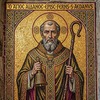
Blessed Gaspare del Bufalo
Roman priest and popular missionary who suffered exile under Napoleon, founded the Missionaries of the Most Precious Blood in 1815, and died tending cholera victims in 1837.
 Source-linked Life
vol. VI, pp. 392–393
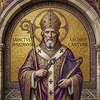
Saint Gatianus of Tours
Third-century missionary sent from Rome around 250 who founded the See of Tours and governed it for fifty years until his death in 301.
 Source-linked Life
vol. VI, pp. 393–394
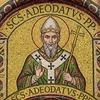
Saint Gaudentius of Brescia
Bishop of Brescia (c. 387–c. 410), patristic homilist, and papal envoy sent in 405 to defend Saint John Chrysostom before Emperor Arcadius.
 Source-linked Life
vol. VI, pp. 406–407
Pope Saint Gelasius I
Pope from 492 to 496 who articulated the doctrine of the two powers to Emperor Anastasius, upheld Roman primacy in the Acacian schism, and suppressed the pagan Lupercalia.
 Source-linked Life
vol. VI, pp. 413–415
Saint Genevieve of Paris
Consecrated virgin and patroness of Paris (c. 422–512) who rallied the city during Attila's invasion in 451 and relieved its famine during the Frankish siege.
 Source-linked Life
vol. VI, p. 416
Saint Gennadius I of Constantinople
Patriarch of Constantinople (458–471), Antiochene scriptural exegete, and reformer who held the 459 council against simony.
 Source-linked Life
vol. VI, pp. 453–455
Saint George
Early Christian soldier-martyr venerated at Lydda (Diospolis) in Palestine before the age of Constantine and honoured on 23 April as Patron of England.
 Source-linked Life
vol. VI, pp. 464–465
Saint Gerald of Mayo
Northumbrian monk who followed Saint Colman to Ireland after the Synod of Whitby in 664 and became first Abbot and Bishop of 'Mayo of the Saxons' until 731.
 Source-linked Life
vol. VI, pp. 464–466
Saint Gerard of Brogne
Tenth-century Belgian Benedictine abbot who founded the Abbey of Brogne and reformed nineteen monasteries across Flanders, Hainault, and Normandy.
 Source-linked Life
vol. VI, p. 466
Saint Gerard of Toul
Bishop of Toul from 963 to 994 who rebuilt his cathedral, welcomed Greek and Irish monks, and secured imperial confirmation of Toul's temporal suzerainty.
 Source-linked Life
vol. VI, p. 467
Venerable Miles Gerard (William Richardson)
Lancashire schoolmaster and Reims seminary professor (using the alias William Richardson) martyred at Rochester in April 1590 with Father Francis Dicconson.
 Source-linked Life
vol. VI, pp. 467–469
Saint Gerard Majella
Eighteenth-century Redemptorist lay brother (1726–1755) famed as a model of heroic obedience, 'Father of the Poor,' and wonderworker in southern Italy.
 Source-linked Life
vol. VI, pp. 472–473
Saint Germain (Germanus) of Auxerre
Fifth-century Gallo-Roman duke who became Bishop of Auxerre in 418, combated Pelagianism in Britain in 429 and 447, and died at Ravenna on 31 July 448.
 Source-linked Life
vol. VI, pp. 473–474
Saint Germain (Germanus) of Paris
Sixth-century Abbot of Saint-Symphorien at Autun and Bishop of Paris (555–576) who counselled Merovingian kings and dedicated the basilica that became Saint-Germain-des-Prés.
 Source-linked Life
vol. VI, p. 474
Saint Germaine Cousin
Sixteenth-century French shepherdess of Pibrac near Toulouse (1579–1601) who bore deformity, disease, and stepmotherly abuse with heroic charity and prayer.
 Source-linked Life
vol. VI, pp. 474–475
Blessed German Gardiner
Lay secretary and kinsman to Bishop Stephen Gardiner, executed at Tyburn on 7 March 1544 as the last Catholic martyr for papal supremacy under Henry VIII.
 Source-linked Life
vol. VI, p. 484
Saint Germanus I of Constantinople
Patriarch of Constantinople (715–730) who restored Chalcedonian orthodoxy after Philippicus and resigned his see rather than sign Emperor Leo III's iconoclast decree.
 Source-linked Life
vol. VI, p. 533
Blessed Gertrude of Aldenberg
Premonstratensian Abbess of Aldenberg near Wetzlar (c. 1227–1297) and youngest daughter of Landgrave Louis IV of Thuringia and Saint Elizabeth of Hungary.
 Source-linked Life
vol. VI, pp. 533–534
Saint Gertrude of Nivelles
Seventh-century Benedictine first Abbess of Nivelles (626–659), daughter of Pepin of Landen and Saint Itta, and patroness of travellers in the Low Countries.
 Source-linked Life
vol. VI, pp. 534–535
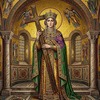
Saint Gertrude the Great
Thirteenth-century German Benedictine mystic of Helfta (1256–1301/1302), theologian of the Sacred Heart, and author of the Spiritual Exercises and Book II of the Legatus Divinae Pietatis.
 Source-linked Life
vol. VI, p. 535
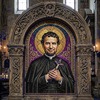
Venerable Gertrude van der Oosten
Dutch Beguine of Delft (d. 6 January 1358) renowned for contemplation, the gift of prophecy, and the stigmata.
 Source-linked Life
vol. VI, p. 536
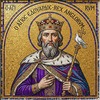
Venerable George Gervase (Jervis)
English priest, Benedictine, and martyr (1571–1608) executed at Tyburn under the statute of 27 Elizabeth after refusing the new oath of allegiance.
 Source-linked Life
vol. VI, p. 537
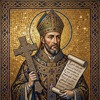
Saints Gervasius and Protasius
Early Christian twin martyrs of Milan whose relics were discovered by Saint Ambrose in 386 and enshrined in the Basilica of Sant'Ambrogio Maggiore.
 Source-linked Life
vol. VI, pp. 537–538
Saint Géry (Gaugericus)
Merovingian Bishop of Cambrai-Arras (consecrated 585–587; d. 11 August 623–626) who uprooted paganism, ransomed captives, and founded the monastery of Saint-Médard at Cambrai.
 Source-linked Life
vol. VI, p. 547
Saint Ghislain
Seventh-century Belgian anchorite and monastic founder at Ursidongus (Saint-Ghislain) and spiritual counsellor to Saint Waudru of Mons and Saint Aldegonde of Maubeuge.
 Source-linked Life
vol. VI, p. 557
Saint Gilbert of Sempringham
English priest and founder of the Gilbertine Order at Sempringham (1131) who governed his double monasteries until extreme old age and was canonized by Pope Innocent III in 1201.
 Source-linked Life
vol. VI, pp. 557–558
Saint Gildas the Wise
Sixth-century British monk, missionary in Ireland and Scotland, founder of the Abbey of Rhuys in Brittany, and author of De excidio Britanniae.
 Source-linked Life
vol. VI, pp. 559–560
Saint Giles (Aegidius)
Hermit and Benedictine abbot near Nîmes (d. early 8th century) whose shrine at Saint-Gilles became one of the great pilgrimage centres of medieval Europe.
 Source-linked Life
vol. VI, p. 561
Blessed Gil of Santarém (Giles of Portugal)
Portuguese physician and Dominican friar (c. 1185–1265) who repented of his worldly life, entered the Order of Preachers about 1221, and twice governed the Spanish province.
 Source-linked Life
vol. VI, pp. 573–574
Blessed Giuseppe Maria Tommasi
Sicilian Theatine priest, liturgical scholar, and Cardinal of San Martino ai Monti (1649–1713), beatified by Pope Pius VII on 5 June 1803.
 Source-linked Life
vol. VI, p. 606
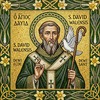
Saint Goar
Seventh-century Aquitanian priest and anchorite near Oberwesel on the Rhine (c. 585–649) after whom the town of Sankt Goar is named.
 Source-linked Life
vol. VI, pp. 620–622
Saint Godard (Godehard, Gotthard)
Bavarian Benedictine abbot and monastic reformer who succeeded Saint Bernward as Bishop of Hildesheim (1022–1038) and was canonized in 1131.
 Source-linked Life
vol. VI, p. 623
Saint Godeberta
Frankish virgin and abbess at Noyon (c. 640–early 8th century) who received the veil from Saint Eligius in the presence of King Clovis II.
 Source-linked Life
vol. VI, pp. 623–624
Saint Godelina (Godeliva)
Eleventh-century Flemish noblewoman and martyr of Christian marriage (c. 1049–1070) whose patience and post-mortem miracle converted her husband Bertolf of Ghistelles.
 Source-linked Life
vol. VI, pp. 633–634
Saints Gondulphus (Gundulfus)
Three bishops honoured under the name Gondulphus (Gundulfus): the ninth-century Bishop of Metz (d. 823), the early seventh-century Bishop of Tongres-Maastricht, and Saint Gondon of Berry.
 Source-linked Life
vol. VI, p. 647
Venerable John Goodman
Welsh-born convert and secular priest (1590–1642) who offered to be executed when King Charles I's reprieve provoked Parliament and died of hardships in Newgate Prison on Good Friday 1642.
 Source-linked Life
vol. VI, p. 649
Saints Gordianus and Epimachus
Early Christian martyrs jointly honoured on 10 May in the Roman cemetery named after them on the Via Latina.
 Source-linked Life
vol. VI, p. 651
Saint Gorgonius
High court official of Emperor Diocletian martyred at Nicomedia in 304 and commemorated on 9 September.
 Source-linked Life
vol. VI, pp. 681–682
Saint Gottschalk (Godescalcus)
Prince of the Wends (d. 7 June 1066) who organized the Slavic tribes into a Christian realm, founded dioceses and monasteries, and died a martyr in a pagan uprising at Lenzen.
 Source-linked Life
vol. VI, pp. 775–776
Venerable Hugh Green
English convert and secular priest (c. 1584–1642), chaplain at Chideock Castle in Dorsetshire, martyred with prolonged cruelty on 19 August 1642.
 Source-linked Life
vol. VI, pp. 780–787
Pope Saint Gregory I (the Great)
Roman patrician, monk, and sixty-fourth Pope (590–604), Doctor of the Church, author of the Regula Pastoralis, Moralia, and Dialogues, and Apostle of the English.
 Source-linked Life
vol. VI, pp. 787–789
Pope Saint Gregory II
Roman Pope (715–731) who commissioned Saint Boniface to evangelize Germany, restored Monte Cassino, and resisted the Iconoclast edicts of Emperor Leo III.
 Source-linked Life
vol. VI, p. 789
Pope Saint Gregory III
Syrian-born Pope (731–741) who defended sacred images against Emperor Leo III, granted pallia to York and Canterbury, supported Saint Boniface, and appealed to Charles Martel against the Lombards.
 Source-linked Life
vol. VI, pp. 791–795
Pope Saint Gregory VII (Hildebrand)
Tuscan Benedictine monk, Archdeacon of the Roman Church, and Pope (1073–1085) who led the Gregorian Reform against simony, clerical incontinence, and lay investiture.